
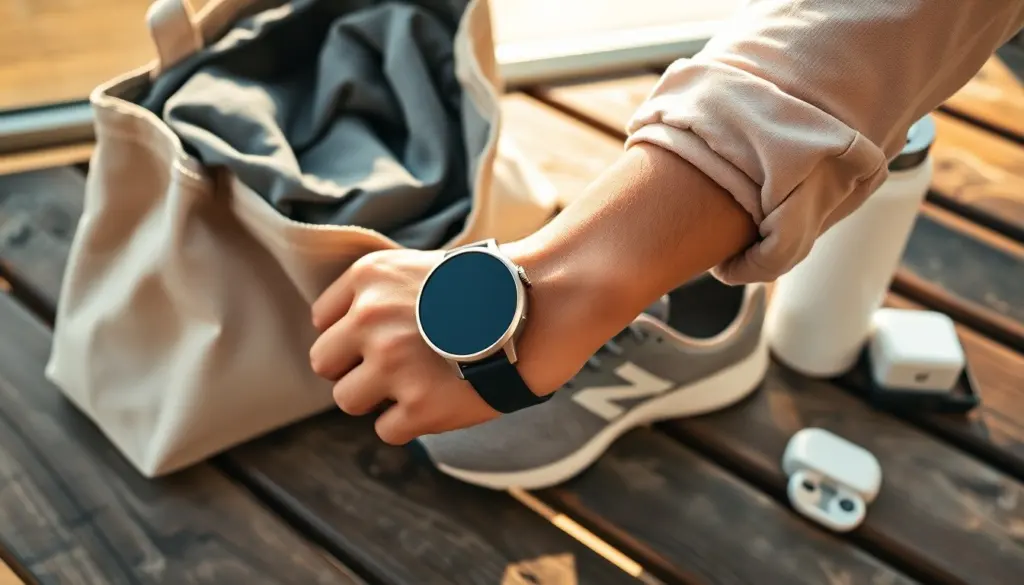
A smartwatch can be more than a small display on the wrist, it can track health, streamline daily tasks, and replace pockets full of apps. The value depends on how someone uses those features and how much they care about convenience, data, and style. This piece answers whether a smartwatch is worth it by comparing real-world uses, common trade-offs, and a clear decision framework.
Key Takeaways
- A smartwatch offers valuable benefits like health tracking and everyday convenience that can enhance daily routines and fitness activities.
- The worth of a smartwatch depends on how well its features align with your personal needs, such as workouts, notifications, or contactless payments.
- Common drawbacks include limited battery life, fragility, potential privacy concerns, and higher costs, which should be weighed against the benefits.
- To decide if a smartwatch is worth it, identify your top use cases, establish non-negotiables like price and durability, and test the device for comfort and usability.
- Smartwatches excel when they provide continuous data and quick interactions, making them ideal for those valuing discreet notifications and fitness monitoring.
What Is A Smartwatch Today — Features And Use Cases
Smartwatches in 2026 pair a compact touchscreen with sensors, apps, and wireless connections. Core components include an optical heart sensor, accelerometer, GPS, microphone/speaker, and sometimes ECG or temperature sensors. They run simplified apps for music, maps, payments, and remote camera control. Typical use cases: passive health monitoring during daily life, guided workouts, quick message triage without pulling out a phone, and contactless payments at checkout. For commuters and parents, a watch reduces phone distractions: for active people, it becomes a dedicated fitness companion. Style-conscious buyers also treat them like jewelry with swappable bands.
Beyond those basics, smartwatches integrate with phone ecosystems and cloud services to sync activity history, calendar events, and location data. They can surface contextual information — walking directions when you start moving, or a boarding pass when you arrive at an airport — which turns small conveniences into regular time savings. Many models also support offline features like music storage and basic navigation, which matters when a phone is deliberately left behind.
Use cases differ by lifestyle. A runner prioritizes GPS accuracy, battery life during long outings, and heart-rate stability. A knowledge worker may value discrete notification filtering, quick replies, and calendar glances. Seniors or people managing chronic conditions often look for fall detection, irregular rhythm alerts, and straightforward emergency contacts. Recognizing which scenarios you encounter daily clarifies whether a smartwatch becomes indispensable or merely a nice-to-have gadget.
Top Benefits That Make A Smartwatch Valuable
A smartwatch offers concentrated utility: continuous data, faster interactions, and contextual features that a phone can’t always provide. The value rises when those benefits match daily habits, for example, someone who exercises daily or needs discreet notifications gains more. Two high-impact benefit areas are health/fitness tracking and everyday convenience: each transforms small moments across the day into measurable or time-saving outcomes. Below are the key strengths and when they matter most.
Health and fitness: continuous step and heart-rate tracking, sleep staging, guided workouts, and recovery insights turn otherwise fragmented signals into trends you can act on. For people training toward specific goals or trying to improve daily activity levels, the watch becomes a feedback loop — nudging you to walk more, recover properly, or maintain consistent sleep patterns.
Everyday convenience and safety: quick, glanceable notifications reduce interruptions and help maintain focus. Contactless payments and transit passes speed up routine errands. Emergency features like SOS and fall detection offer peace of mind for caregivers and older users. For many, the combination of these conveniences compounds into daily time saved and fewer moments of fumbling for a phone.
Additional benefits include seamless integration with smart home devices (lights, locks, thermostats), remote camera control for better photos without awkward angles, and productivity tools such as voice assistant access. These are incremental but useful for users who want fewer friction points throughout the day.
Common Drawbacks And When They Matter
Smartwatches trade some traditional watch strengths for tech features: they require charging, can be fragile, and raise privacy questions. These drawbacks matter more if someone prioritizes long wear without charging, works in rough conditions, or is sensitive about health data sharing. Cost is another factor, premium models often command high prices for marginal gains. Buyers should weigh how much they value continuous data and small conveniences versus these persistent trade-offs.
Battery life is the most frequent practical complaint. Many full-featured models need daily or every-few-day charging, which interrupts continuous tracking (for sleep or long excursions) unless you adopt a charging routine. If you want multi-day autonomy without managing charging, hybrid watches or basic fitness bands may be better fits.
Durability and repairability vary widely. Glass faces can scratch; casings can be vulnerable to impacts; water resistance has limits. People who work with heavy machinery, in construction, or in wet outdoor environments should pick ruggedized models or stick to traditional watches. Privacy and data control are also important: health metrics and location history are sensitive, and syncing them to cloud services raises questions about who can access and how long data is stored.
Finally, compatibility and ecosystem lock-in matter. A watch often works best with a particular phone platform; feature parity between platforms is not guaranteed. If you switch phones or brands frequently, verify that the watch you choose will continue to deliver the functions you rely on.
How To Decide If A Smartwatch Is Worth It For You
Decide by matching personal needs to smartwatch strengths. First, list top three use cases (e.g., workouts, notifications, payments). Second, set non-negotiables: battery life, price range, durability, and data controls. Third, test in person if possible, notice comfort, screen readability, and pairing ease. If two or more use cases align with what a watch excels at and the non-negotiables are met, it’s likely worth the cost. If not, a fitness band, basic watch, or selective smartphone settings may deliver better value.
Practical steps to reach a confident decision:
- Write down situations you want the watch to solve — morning alarms you ignore, missed calls while biking, or inconsistent workout tracking. Concrete examples clarify expected benefit.
- Try a short evaluation period. Borrow a friend’s device or use a retailer demo to wear the watch for a few days. Pay attention to comfort, screen readability in bright light, and how natural interacting with notifications feels.
- Consider the long-term cost: accessories, replacement bands, and potential repairs. Also check software update policies; a well-supported watch will stay useful longer.
If your daily routine includes frequent short interactions with devices, structured exercise, health monitoring needs, or you simply value the convenience of glanceable information, a smartwatch often pays off. If your priorities are extreme battery life, ultra-durable hardware, or minimal data sharing, alternatives may be a better fit.
Frequently Asked Questions About Smartwatches
What features make a smartwatch worth it in 2026?
Smartwatches in 2026 include heart sensors, GPS, microphones, and run apps for health tracking, payments, and notifications, offering convenience and fitness benefits that add value depending on daily use. The most meaningful features are those you will interact with regularly — consistent step/heart tracking, actionable notifications, and reliable payment support — rather than specs you rarely use.
How can a smartwatch improve daily convenience?
A smartwatch streamlines tasks by enabling quick message checks, contactless payments, and reducing phone distractions, which saves time and enhances productivity throughout the day. It also helps with contextual nudges (calendar alerts, commute updates) and hands-free interactions such as voice replies or controlling media while your phone is tucked away.
Is a smartwatch a good investment for fitness tracking?
Yes, for daily exercisers, smartwatches provide continuous health data and guided workouts, making them valuable fitness companions that help measure progress and stay motivated. They are particularly useful when you want long-term trends (sleep, recovery, VO2 trends) and guidance — for occasional exercisers, a lower-cost tracker may offer similar core benefits.
What are the common drawbacks of owning a smartwatch?
Smartwatches require frequent charging, can be fragile, raise privacy concerns with health data, and often come at premium prices, which may not suit everyone’s needs. Other drawbacks include inconsistent third-party app availability, limited on-device input methods for long messages, and feature differences across phone platforms.
How should I decide if a smartwatch is worth the cost for me?
List your top use cases like workouts or notifications, set your priorities for battery life and durability, and if two or more match smartwatch strengths, it’s likely worth buying; otherwise, consider alternatives. Testing a device in real scenarios and checking support policies will reduce buyer’s remorse.
Can a smartwatch replace my phone for everyday tasks?
While a smartwatch can handle quick interactions like notifications and payments, it typically complements rather than replaces a phone for comprehensive daily use. For specific situations — short runs, quick errands, or hands-free scenarios — a smartwatch can temporarily take over some phone duties, but most people still rely on a phone for longer-form tasks and content consumption.