
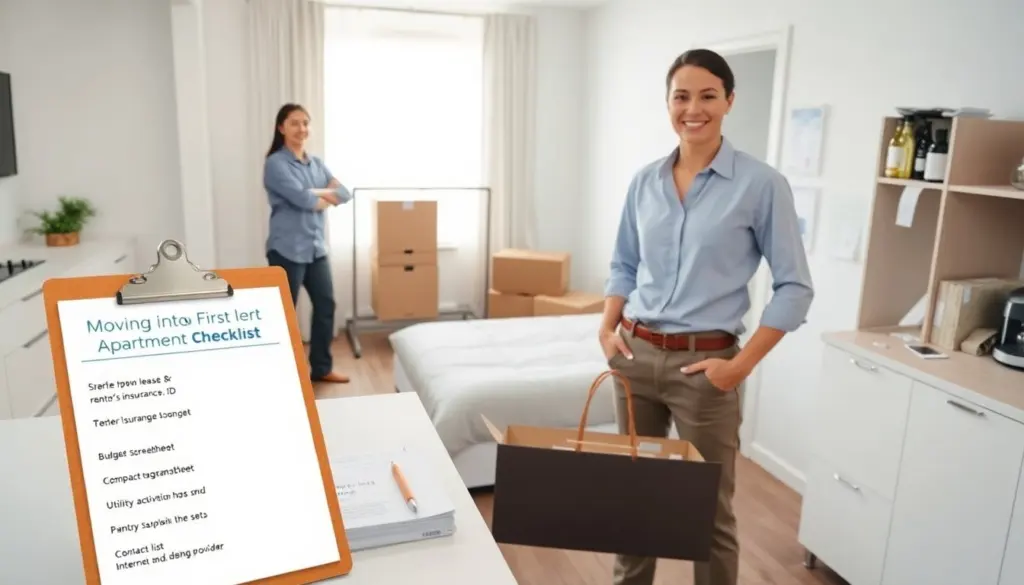
This moving into first apartment checklist guides renters through paperwork, packing, and setup with practical, prioritized steps. It combines timing, simple templates, and task-level guidance so readers know what to do the week before, the day of, and during the first seven days. The list highlights common oversights—like missed utility start dates, unpacking the wrong boxes first, or underestimating initial food and cleaning needs—and shows how to prevent them. It sets clear priorities for budget, lease review, document gathering, and essential supplies so you can move faster, reduce stress, and avoid surprise expenses during those first hectic days.
Key Takeaways
- Review your lease carefully and set a realistic monthly budget covering rent, utilities, internet, and groceries before moving into your first apartment. Take notes on notice periods, fee schedules, and who is responsible for repairs.
- Prepare an overnight box and first-night kit with essentials like clothes, toiletries, bedding, and snacks to make your first night comfortable and stress-free. Keep these items accessible—either in the car or with you—so they don’t get buried in moving boxes.
- Schedule utilities and internet activation before moving day to ensure your new apartment is ready with power and connectivity upon arrival. Confirm appointment windows and keep provider contact numbers handy for quick follow-up.
- Pack essential kitchen items including basic cookware, utensils, pantry staples, and cleaning supplies to have a functional kitchen from day one. Focus on items that let you cook simple meals and clean up easily.
- Prioritize unpacking key items like your overnight box and furniture, register your new address with necessary services, and establish a cleaning routine during your first week. Small routines—laundry, trash days, and a simple sweep/mop—help the space feel like home fast.
- Use this moving into first apartment checklist daily to stay organized, avoid mistakes, and make your transition smoother and more efficient. Break tasks into 30–60 minute blocks and tick them off as you go to maintain momentum.
Before You Move: Paperwork, Budget, And Lease Essentials
Read the lease line-by-line and make a short annotated list of key clauses—rent amount, due date, grace period, security deposit return conditions, pet rules, subletting, and maintenance responsibilities. Note any move-in inspection forms and take photos at handover to document pre-existing damage. Set a monthly budget that includes rent, utilities, internet, renter’s insurance, groceries, transportation, and a small emergency fund for unexpected repairs or fees. Gather required documents early: government ID, proof of income or guarantor information, recent pay stubs, and renter’s insurance confirmation. Add change-of-address tasks to your checklist (postal service, bank, employer, subscriptions) and list emergency contacts, local clinic, and building management phone numbers. Finally, create a simple calendar or timeline that maps when deposits are due, when you’ll transfer utilities, and when lease-related deadlines fall so nothing is missed.
Essentials To Pack First: The Overnight Box And First-Night Kit
Pack an overnight box for each person containing one full outfit, pajamas, basic toiletries, daily medications, phone chargers, and copies of important documents (ID and lease). Prepare a first-night kit that includes bedding (pillow and sheets or a sleeping bag), towels, a small flashlight or headlamp, basic utensils, a few disposable plates and cups, snacks, and a refillable water bottle. Include a compact tool kit (screwdriver, small wrench, multi-tool), a roll of tape, scissors, and a few heavy-duty trash bags for quick fixes and assembly. Label these boxes clearly with bright tape and “OPEN FIRST” so movers and helpers know where to look. Keep the overnight box with you or in your vehicle rather than in the stacked moving boxes to avoid being without essentials the first night.
Apartment Setup: Utilities, Internet, And Repairs
Plan utility start dates at least a week in advance and schedule electric, gas, and water to activate the day before or the morning of your move. Arrange internet and cable installation early; if installation windows are long, consider a mobile hotspot for the first few days. Create a single document or note that lists provider names, account numbers, appointment dates, and phone numbers so you can call quickly if something changes. On move-in day, run a basic check: test lights, check hot water, test outlets, and inspect windows and doors for drafts or damage. If you find issues, report them to your landlord or property manager immediately and document them with photos and timestamps. Keep basic repair supplies (tape, light bulbs, batteries) handy and know where the apartment’s circuit breaker and water shut-off are located.
Kitchen Essentials: From Cookware To Pantry Basics
Start with multipurpose items that cover most cooking needs: one medium frying pan, one medium pot with a lid, a cutting board, a chef’s knife, a spatula, a wooden spoon, a can opener, and a set of basic plates, bowls, glasses, and cutlery. Add a kettle or small coffee maker if you rely on hot drinks each morning. Stock pantry basics with long-shelf-life staples that make simple meals easy: salt, pepper, cooking oil, rice, pasta, canned tomatoes, beans, a few spices, and a jar or two of sauce. Include quick fresh items for the first few days—eggs, bread, milk, and fruit—so you don’t need to cook a full meal immediately. Keep a small supply of cleaning items: dish soap, a sponge, multipurpose cleaner, paper towels, trash bags, and a roll of aluminum foil. When arranging the kitchen, designate one cabinet or shelf for “first-week” items so you can find them while unpacking larger kitchenware over time.
Moving Day And First-Week Priorities: Unpack, Register, And Settle In
On moving day, prioritize unpacking the overnight box, bedding, and items needed to sleep and eat. Assemble basic furniture first—bed, table, and seating—so essential routines (sleeping, eating, working) are possible immediately. Create a short checklist for the first 24–48 hours: test smoke detectors, check locks, set up the refrigerator, and take out trash. During the first week, register your new address with your employer, bank, and any subscription services; update delivery addresses and set up mail forwarding via the post office. Introduce yourself to neighbors and learn building rules like trash location, quiet hours, and parking procedures. Establish a simple cleaning routine (daily quick tidy, twice-weekly surfaces, weekly vacuum/sweep) and a plan for organizing boxes—decide what to keep, donate, or recycle. Review this moving into first apartment checklist each evening to track progress, adjust priorities, and make small goals for the next day so the process stays manageable and you settle in comfortably.