
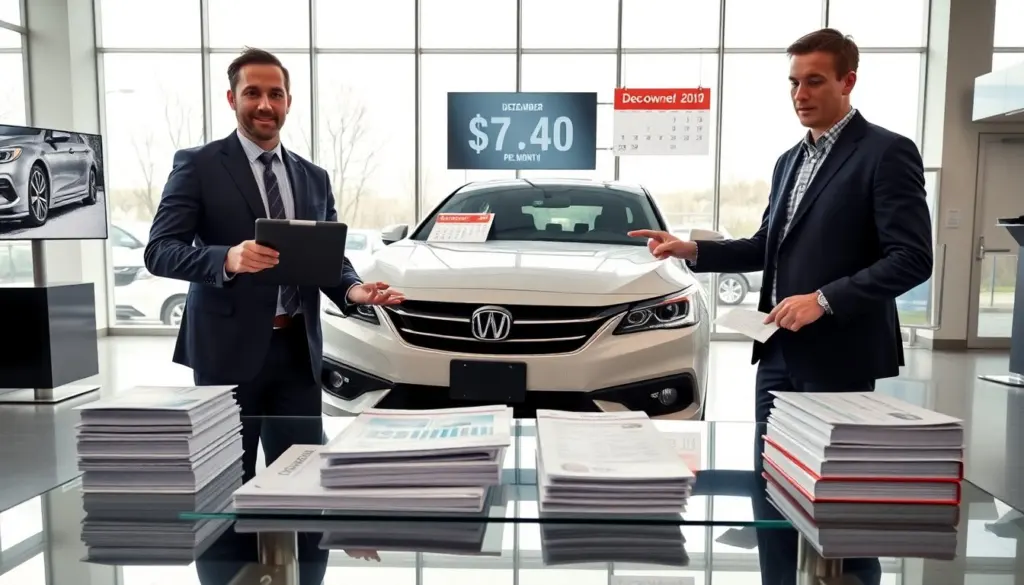
The best time to buy a used car shapes price, selection, and negotiation power. Shoppers who plan will save money and avoid rush decisions. This guide lists months, weekly timing, and seller types that affect deals. Readers get clear, actionable timing advice for 2026 and practical steps to apply the best time to buy a used car in their local market.
Key Takeaways
- The best time to buy a used car is often in winter months like January and February when demand drops and dealers lower prices.
- Late fall and year-end, including December and Black Friday, offer good opportunities as dealers clear inventory and meet annual targets.
- Shopping on weekdays, especially Tuesday through Thursday mornings or late afternoons, increases negotiation power due to lower showroom traffic and more attentive sales staff.
- Buying in the last five days of a month can secure better prices as dealers aim to meet monthly sales goals.
- Online research and financing preapproval sharpen your bargaining position and help make informed offers when buying a used car.
- Private sellers follow different cycles than dealers; knowing each seller’s motivation helps time offers.
- Local market conditions and vehicle type influence the best time to buy, so tracking listings over several months offers the best chance to spot fair prices.
Best Months And Seasons To Find Better Deals
Seasonality affects supply and demand, which is why the best time to buy a used car is often tied to predictable calendar patterns. Winter months frequently bring softer demand: many private sellers postpone listing until spring, and retail traffic at dealerships is lower in January and February. That lower demand can translate into more motivated sellers and dealers more willing to negotiate price or throw in extras such as extended warranties, service credits, or lower financing rates.
Late fall and year-end are the other major window for bargains. Dealers that track toward annual targets will discount trade‑ins and clear older units to make room for next year’s models. Black Friday weekend, end‑of-year clearance events, and the final days of December commonly coincide with dealers offering incentives. That said, inventory can be thinner for popular family models in late summer, and price movement varies by region: warm-weather states may not see the same winter softening, while rural markets can be seasonal around harvest or tourism peaks.
Vehicle type matters. Economy cars and older sedans tend to show larger price drops in low-demand months because they’re easier for dealers to hold in inventory; conversely, trucks, SUVs, and 4x4s often retain value longer in colder regions or during seasons when they are in higher demand. Certified pre-owned (CPO) units follow dealer program timing and may see promotions at different points in the year, so CPO shoppers should monitor dealer-specific calendars.
How to apply this seasonality in practice: – Track local listings for several months to recognize a price baseline and spot a genuine dip. – Use search alerts and set date ranges to see how long similar cars stay on market—longer time on market can indicate seller willingness to cut price. – Consider trade‑off windows: while January often has lower prices, selection may be smaller; late summer can give a broader choice but sometimes at higher prices for in‑demand models. – Factor in inspection and weather: winter test drives should include a careful mechanical check for rust, seals, and heating system performance.
Ultimately, the best time to buy a used car is when local supply, model-specific trends, and your personal readiness align. Patience and data—many weeks of tracking and setting alerts—are often the difference between a fair deal and a very good one.
Weekly, Day‑Of, And Time‑Of‑Day Strategies To Sharpen Your Bargain
Timing within a week and even time of day affect negotiation leverage. Weekdays, especially Tuesday through Thursday, tend to have lower showroom traffic than weekends. With fewer customers competing for sales staff attention, you often get more time to inspect cars, discuss vehicle history, and make offers. Mornings can bring newly posted trade‑ins and freshly detailed cars; late afternoons, particularly near closing time, can find salespeople more willing to negotiate to hit daily or monthly targets.
There are several tactical timing points to use: – End of month: Visiting in the final five days of a month generally increases the chance a dealer is motivated to close deals to hit quotas or targets. Ask politely whether sales targets or manufacturer bonuses are influencing prices—transparency can open concessions. – Midweek visits: Choose a midweek morning if you want a relaxed inspection and quicker access to managers. Bring inspection checklists and a mechanic or prearranged independent inspection appointment if possible. – Avoid peak shopping windows: Holidays and long weekends can have higher buyer volume and faster-moving inventory; unless you’re targeting holiday sales events, these days can reduce bargaining leverage. – Time of day: Aim for midmorning or early afternoon for the best balance of fresh inventory and attentive staff. Late afternoon (just before closing) can work if you’re prepared to negotiate quickly, but be cautious of rushed decisions.
Seller type timing differences: – Dealers: Respond to monthly and yearly incentives; hunt for end‑of‑month and end‑of‑year opportunities. Dealers also refresh inventory at predictable intervals (post-busy seasons, model-change periods), so watch those cycles. – Private sellers: They may follow personal timelines (moving, tax season, seasonal needs). Listings that sit longer with small price drops often indicate owners who will negotiate. – Auctions and online marketplaces: Timing matters—some sellers list on weekends for visibility, others post on weekdays when competing listings are lower. Use saved searches and be ready to act quickly when a good listing appears.
Preparation that sharpens any timed approach: – Get financing preapproval to know your maximum offer and speed up negotiations. – Assemble comparables: print or save similar listings that justify the offer you plan to make. – Bring a checklist for test drives and inspections (engine noise, transmission shifts, leaks, service records). – Know walk-away price and your best alternative (private-party purchase, different model, waiting for a better month).
Timing alone won’t guarantee the best outcome, but combining seasonal insight with weekly and daily tactics—plus solid preparation—makes the best time to buy a used car a more objective decision than a hoped-for lucky find. When you strike a deal, confirm condition with a vehicle history report and a mechanic’s inspection before finalizing payment or title transfer.