
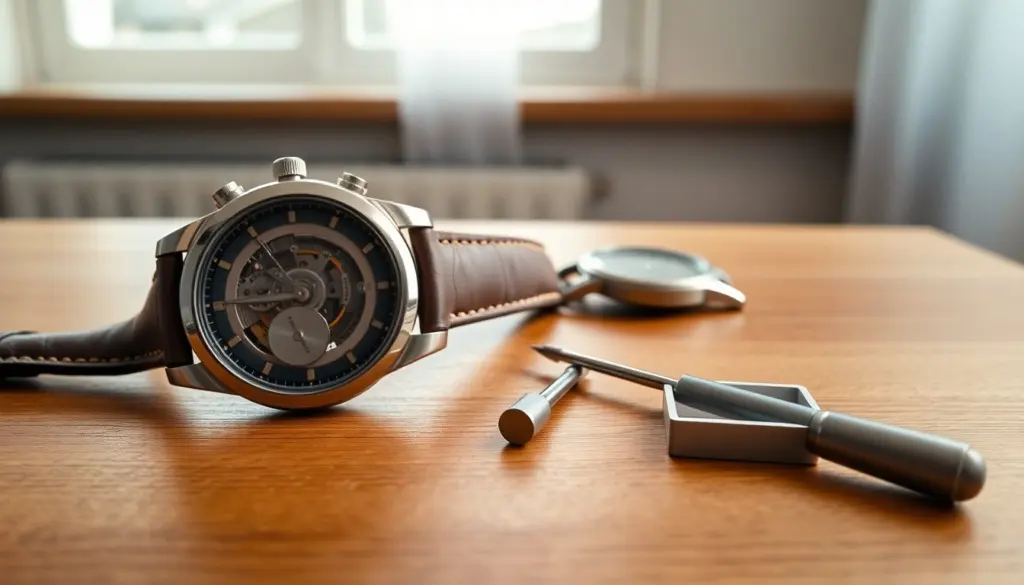
Choosing between quartz and automatic watches comes down to whether the buyer values pinpoint accuracy and minimal upkeep or mechanical craftsmanship and a living movement. The difference affects daily wear, servicing, and long‑term ownership costs, so understanding each movement helps pick the watch that fits lifestyle and taste.
Key Takeaways
- Quartz watches offer superior accuracy and low maintenance, making them ideal for everyday convenience and reliable timekeeping.
- Automatic watches showcase mechanical craftsmanship and provide a tactile connection to traditional watchmaking but require regular wear and servicing.
- Choosing quartz vs automatic watches depends on lifestyle priorities: quartz suits travelers and those valuing precision, while automatics appeal to collectors and enthusiasts who appreciate movement artistry.
- Maintenance costs differ significantly; quartz needs occasional battery changes, whereas automatics require full servicing every 3–7 years to preserve performance.
- When buying, consider brand reputation, water resistance, and try watches on to assess comfort and movement style for the best personal fit.
- Premium quartz models exist that combine quality and accuracy, so avoid assuming quartz watches are always inexpensive.
How Quartz And Automatic Movements Work — The Key Mechanical Differences
Quartz and automatic movements use fundamentally different ways to keep time. A quartz watch relies on a battery powering an electronic circuit and a quartz crystal that vibrates at a fixed frequency: those vibrations are counted and converted into the stepper motor motion that advances the hands. Because the oscillation frequency is very stable, quartz watches are more accurate by default and typically lose only a few seconds per month.
An automatic (self‑winding) watch is mechanical: it has a mainspring that stores energy, a gear train to transfer that energy, an escapement that regulates release, and a balance wheel that oscillates. The rotor, a small weighted semicircle, winds the mainspring as the wearer moves. Automatics are prized for their engineering and the tactile connection to traditional watchmaking. They usually run within a range of seconds per day rather than per month, so they require periodic adjustment.
Practical differences to note: batteries and electronics mean quartz watches need little regular attention beyond a battery change every few years and occasional sealing checks for water resistance. Automatics need regular wear or a winder to stay running, and a full service every 3–7 years to clean, lubricate, and correct wear. In short: quartz = convenience and accuracy, automatic = craftsmanship and character.
Side‑By‑Side Comparison: Accuracy, Power Reserve, Maintenance, And Cost
| Attribute | Quartz | Automatic |
|---|---|---|
| Accuracy | Within seconds per month | Within seconds per day |
| Power source | Battery (or solar cell) | Mainspring wound by movement or manual winding |
| Power reserve | Unlimited while battery has charge | Typically 36–72 hours when fully wound |
| Maintenance | Battery change and seals periodically | Full service every 3–7 years recommended |
| Initial cost | Lower on average | Often higher, especially for in‑house calibers |
Which to favor depends on priorities. For someone who needs reliable timekeeping with minimal fuss, perhaps a traveler, shift worker, or someone who alternates watches, quartz is practical and cost‑effective. For a collector, mechanical enthusiast, or anyone who enjoys the ritual of winding or watching a movement through a display caseback, automatic offers emotional and aesthetic value.
Maintenance and cost diverge over ownership. Quartz owners will budget for occasional battery and seal work: automatic owners should plan for a full service that can cost multiple times a battery change but preserves the movement long‑term. Resale and brand perception also differ: many collectors value automatics more, which can influence long‑term value for certain brands and models.
Which Should You Choose? Everyday Use Cases, Style Considerations, And Buying Tips
Everyday use cases help decide the movement. For daily commuters and people who want a set‑and‑forget watch, quartz suits: it stays accurate through travel and irregular wear, and it’s generally lighter on the wallet. A sports‑oriented quartz with high water resistance and shock protection makes sense for active lifestyles.
If style and story matter, an automatic lends presence. Dress watches, heritage reissues, and watches with exhibition casebacks show off the movement and finishing. Automatics pair well with routines: a wearer who rotates watches nightly or appreciates ritual will enjoy the connection to the mechanism.
Buying tips:
- Prioritize brand reputation and known calibers for automatics: aftermarket servicing is easier with common movements.
- Check water resistance and sealing practices for either kind if the wearer swims or dives.
- Consider hybrid options: solar‑powered quartz or high‑end quartz chronometers combine accuracy with low maintenance.
- Try watches on: weight, crown feel, and the sweep of the seconds hand (ticking vs smooth) influence enjoyment.
Common mistakes to avoid:
- Buying an automatic expecting battery‑like accuracy, they demand periodic regulation.
- Assuming quartz = cheap: premium quartz models exist and may offer superior build quality.
Eventually, the right movement depends on whether the buyer prefers precision and convenience (quartz) or mechanical heritage and tactile appeal (automatic). Selecting the movement first makes it easier to narrow styles, complications, and price ranges before the final purchase.
Frequently Asked Questions About Quartz vs Automatic Watches
What is the main difference between quartz and automatic watches?
Quartz watches use a battery-powered electronic circuit and a vibrating quartz crystal for high accuracy and low maintenance, while automatic watches rely on mechanical movement with a mainspring wound by wearer motion, offering craftsmanship and a living mechanism.
How often do quartz and automatic watches need maintenance?
Quartz watches typically require a battery change every few years and occasional sealing checks, whereas automatic watches need a full service every 3–7 years to clean, lubricate, and adjust the mechanical movement.
Which type of watch is more accurate, quartz or automatic?
Quartz watches are more accurate, usually losing just a few seconds per month, while automatic watches may vary by seconds per day due to their mechanical nature.
Can I wear an automatic watch every day, or does it need special care?
Automatic watches need regular wearing or a watch winder to keep running, as they rely on movement to wind the mainspring. Otherwise, they may stop and require resetting.
What should I consider when choosing between a quartz and an automatic watch?
Consider if you prioritize precision and low maintenance (quartz) or mechanical craftsmanship and style with ritual (automatic). Also, account for lifestyle, budget, and how much you value watch heritage and aesthetics.
Are quartz watches always cheaper than automatic watches?
Not always. While quartz watches generally have a lower initial cost, premium quartz models with superior build quality exist, and high-end automatic watches often have higher price points due to complex engineering.