
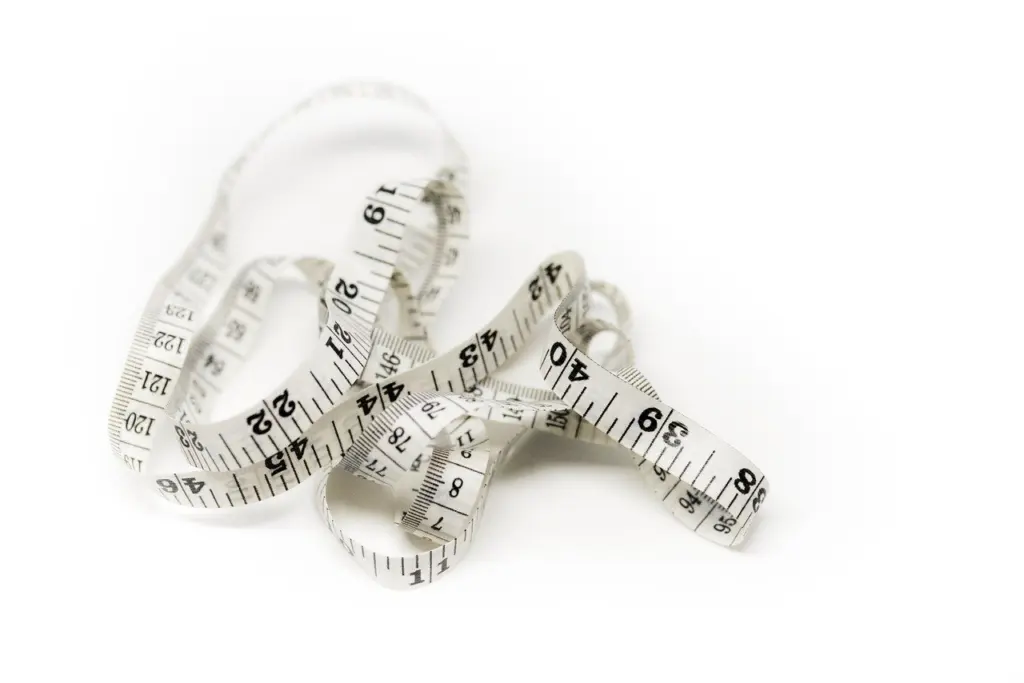
Use a belt size chart by adding 2 in to your trouser waist size to get your belt size. For jeans or low-rise trousers, add a further 3 or 4 in. Measure at the height where you wear the belt.
The same fit-first thinking applies across accessories. If you are also shopping for a wrist piece, our guide on how to choose a watch sits alongside this one.
Why belt size runs bigger than waist size
Belt size is not waist size. The belt has to fit around your trousers as well as your body. Dents, a belt maker, puts it bluntly in its belt size guide: the two measurements are very different, and the belt size is bigger because it has to accommodate your trousers.
That is why buying a belt by body waist alone tends to produce a belt that barely closes. The garment adds fabric, a waistband, and sometimes a thick fold at the fastening. The belt must travel around all of it and still have strap left over to pass through the buckle.
The trouser type also changes the gap. Dents advises adding 2 in to your trouser size for a standard belt, and a further 3 or 4 in for jeans or low-rise trousers. Heavier denim and a lower waistband sit differently on the body, so a belt for jeans needs extra length compared with one for tailored trousers.
Two practical decisions follow from this:
- Start from the trousers, not the tape. The 2 in allowance is added to your trouser waist size, so use the size on the trousers you will wear most with the belt.
- Match the belt to its main job. If one belt will serve both tailored trousers and jeans, choose a size that works with the bulkier garment, because the additional length is what keeps the buckle closing properly.
How to measure for a belt
Measuring takes a soft tape and a few minutes. If you have a belt that already fits well, measuring that is often the most reliable route, and the body measurement is the fallback.
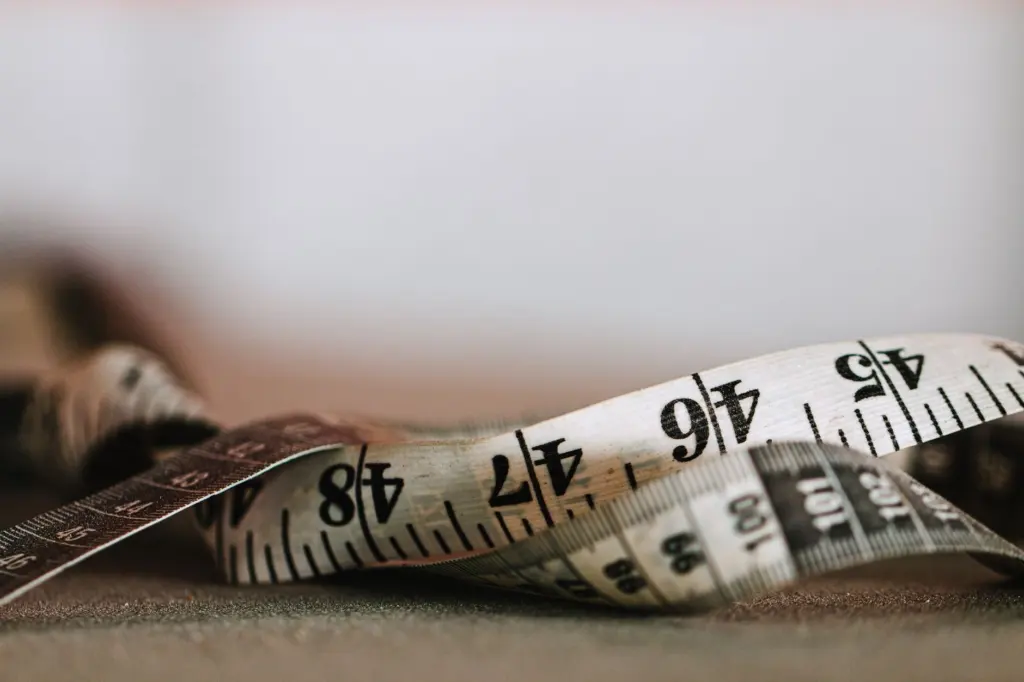
Measuring your waist
- Choose the wearing height. Dents says to measure around your waist at the height at which you will wear the belt, so find where the belt will actually sit on the trousers you plan to use.
- Stand relaxed. Keep a relaxed stance without sucking in or pushing out your stomach.
- Wrap the tape once around. Read the figure where the tape meets itself after one full turn.
- Keep it snug, not tight. The tape should be snug without being tight or uncomfortable, so it does not dig in or hang loose.
Sucking in is the commonest way to under-measure, and it leaves you with a belt that runs short once you relax. Measuring at the wrong height has a similar effect, because the body is a different size above and below the natural belt line.
Measuring a belt you already own
Popov, another belt maker, advises that for a perfect fit you should measure the belt you wear now. This works because it captures the real combination of your trousers, your preferred tightness and the way the belt is fastened, none of which a body measurement captures.
Use this route when you are happy with how an existing belt sits and want the same fit again. Use the waist route when you are buying your first belt, changing trouser style or moving between casual and formal wear.
Waist to belt size conversion table
The table shows how one maker’s small, medium and large bands map from trouser waist size to belt size. Read down to your waist band, then take the belt size in the same row.
| Size band | Waist size | Belt size | Planning use |
|---|---|---|---|
| Small (S) | 29–31 in (74–79 cm) | 31–33 in (79–84 cm) | Pick this band if your trouser waist falls inside its range. |
| Medium (M) | 32–34 in (81–86 cm) | 34–36 in (86–91 cm) | Use it for the middle band, then check the fit against your trouser type. |
| Large (L) | 35–37 in (89–94 cm) | 37–39 in (94–99 cm) | Use it for the upper band, and allow extra if you wear belts mainly with jeans. |
Figures are from Dents’ belt size guide.
The belt size in each row is the waist size plus the 2 in allowance. That makes the table a quick check on your own arithmetic. It also shows why a band is the right tool: a belt covers a span of sizes, not a single exact figure.
If you wear jeans or low-rise trousers, the table is a starting point, not the finish. Add the further 3 or 4 in that Dents recommends for those garments, then look for the size band that matches the result.
Choosing the fit and fastening position
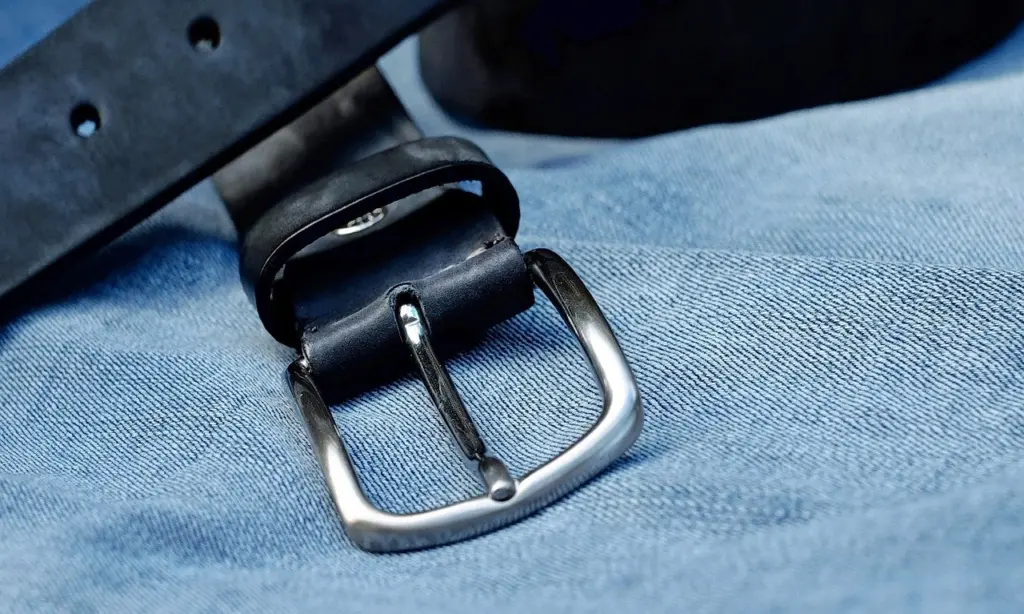
Dents recommends wearing the belt at the middle, or third, hole, and all of its belts have five holes. The logic is practical. A belt that closes in the centre of its range leaves room to tighten for a smaller trouser or loosen after a meal, a heavier garment or a change in weight.
A belt that only closes at the last hole has no room to loosen and may be too small. A belt that closes at the first hole is probably too large. Treat the middle hole as your target when you compare sizes, and go back to the measurements if the buckle prong lands far from it.
Different trouser styles pull the answer in different directions:
- Tailored trousers. The standard 2 in allowance is the reference point, and the belt should sit at the height where you measured.
- Jeans and low-rise trousers. Dents says jeans and low-rise trousers need a further allowance on top of the standard trouser-size adjustment, because the belt size must accommodate the trousers.
- One belt for everything. Size for the bulkier garment and use the middle hole as your reference, rather than shrinking the belt to suit only the slimmest outfit.
Men, women and kids
The method is the same for adults of any gender and for children: measure where the belt will sit and apply the trouser allowance for the garment. What changes is the brand’s own labelling. Some makers sell in waist bands such as small, medium and large, and others sell in single sizes, so the table above is one maker’s chart and not a universal one.
For women’s belts, the wearing height matters even more, because the belt may sit at the waist over a dress, at the hip over low-rise trousers or over a coat. Measure at the height you intend to use, and keep a separate figure if you wear belts at more than one position.
For children, measure the child at the point where the belt will sit and apply the same trouser-based logic to the garment they will wear it with. Because children change size, treat the result as a snapshot and re-measure before buying a replacement. Use the maker’s own size notes for children’s belts, since the adult bands above were not set for them.
Many people also find that their trouser and belt sizes differ between brands. A brand’s own chart should always override a general rule when you are buying from that brand.
Related accessory guides
If you are sizing other accessories, our glove size chart covers how to measure your hand. Once you have a belt that fits, How To Clean Jewelry At Home: Safe, Fast Methods For Sparkling Results (2026) – Getoku helps you keep the metal pieces you wear with it looking their best.
Frequently asked questions
Is my belt size the same as my waist size?
No. Belt size is larger than waist size, because the belt has to go around your trousers as well as your body.
What if I have no belt to measure?
Popov suggests using your favourite pair of jeans and adding 2 in to their waist size.
What if I fall between two belt sizes?
Dents advises rounding up to the next size, which keeps the buckle closing near the middle hole instead of at the last one.