
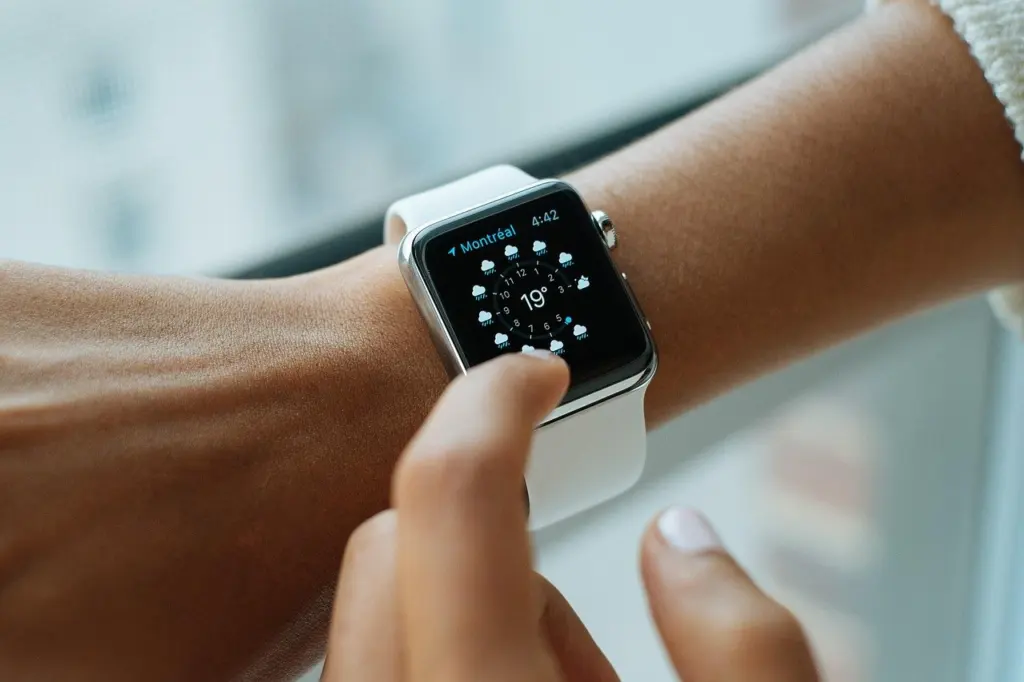
Is a smart watch worth it when a phone already buzzes in your pocket? Yes, if you will use workout tracking, notifications or health sensors most days and accept regular charging; otherwise a cheaper fitness band is enough.
The answer turns on habits more than specifications, so this guide tests common beliefs about smartwatches against the supported facts. Readers comparing other gadgets can start with the Consumer Technology Buying Basics hub, which also covers how to choose a tablet.
Smartwatch versus fitness band
A common assumption is that a fitness band is simply a cheaper smartwatch. The practical difference is software. Consumer Reports says what separates a smartwatch from a fitness tracker is its mobile apps: a smartwatch gains functions through downloadable apps, while a tracker is limited to the functions installed at the factory. The real question is whether you want to keep adding functions over time or are content with what the device ships with.
Price and battery life follow from that split, which is why the two types behave so differently in daily life. The table contrasts them on the criteria that most affect the decision.
| Type | Example price | Battery life | Planning use |
|---|---|---|---|
| Fitness band | The Amazfit Band 5 retails at £24.99 | A week or more | Suits people who dislike charging and are happy with fixed, factory-installed functions. |
| Full-featured smartwatch | Around £200, give or take | 18 to 36 hours and beyond, depending on model and use; daily charging is common | Worth it when apps and sensors will be used, and only if a daily charging slot fits your routine. |
Band and smartwatch prices come from an insurer’s smartwatch guide, and the battery ranges from Consumer Reports’ smartwatch buying advice.
Fitness tracking and health sensors
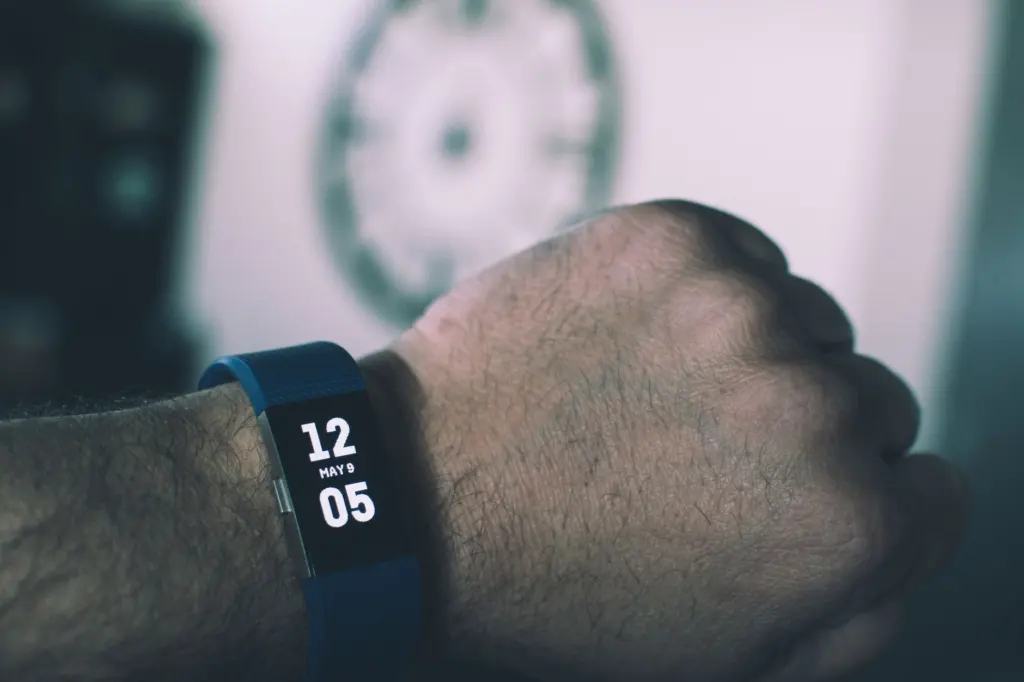
For exercise, a smartwatch is a capable tool, provided you choose a model whose sensors match what you will actually do. A Chronobrief buying guide lists workout modes including running, cycling, swimming and strength training. The heart rate sensor is only the starting point: Consumer Reports notes that top models do far more than track exercise, reaching into heart rhythm, blood oxygen, sleep and stress sensing.
Matching the mode list to your sport
A runner and a swimmer need different things from the same watch, so read the list of workout modes before the marketing headline. If your exercise is walking and general activity, a basic set of modes is all you need, and paying for a long list of sports you never play adds cost without adding value.
Health sensors and their limits
Advanced health features depend on specific hardware, and a heart rate sensor alone does not provide them. Warnings about an abnormal heart rhythm need an ECG sensor, and the most accurate sleep tracking needs a blood oxygen sensor, according to Consumer Reports. Check that the exact sensor is named in the specification instead of assuming it is included.
These readings come with a firm boundary. Consumer Reports states that a watch is not a diagnostic tool, so treat the data as a guide to your health and not a substitute for doctor visits. The features suit people who want trends to prompt better habits, but not anyone hoping the watch will confirm or rule out a condition.
Notifications and everyday convenience
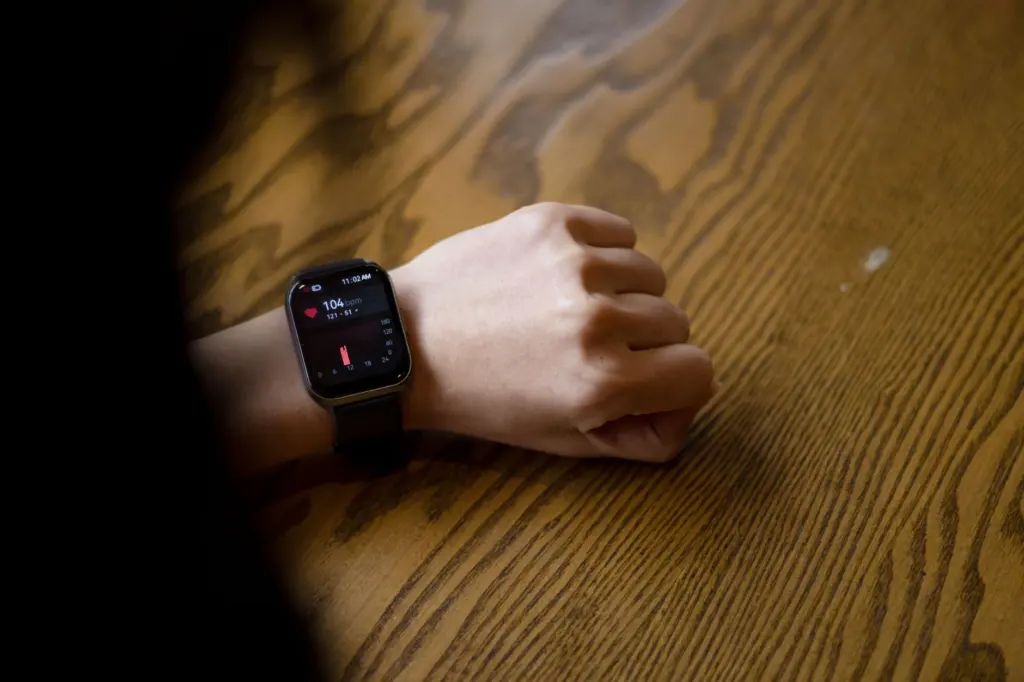
The most familiar smartwatch feature is also the most mixed. A smartwatch can notify you about incoming texts and calls, which Consumer Reports confirms, and glancing at the wrist can be quicker than pulling out a phone. The belief that more alerts means more convenience is where buyers go wrong.
A guide from Universal Watch Company points out that notifications from messages, social media and email can pop up every few minutes, which some wearers find distracting. The convenience is therefore real only if you want to be reached that often. If notifications are your main reason to buy, test how often your phone actually pings before paying for sensors you will not use.
Battery life and charging
Battery life is not a single number, and it is the trade-off that most often decides whether owners keep wearing the watch. Consumer Reports says smartwatches often need daily charging, with runtime of 18 to 36 hours and beyond depending on the model and how you use it. The Chronobrief guide gives a similar spread, from 18 hours to several days depending on usage.
Usage changes the runtime
Features differ widely in what they draw. Consumer Reports names GPS as a power-hungry app, and Chronobrief says demanding features such as GPS and heart-rate monitoring drain the battery faster than simple notifications. Someone who mostly reads alerts will see the longer end of a model’s range, while someone who records long outdoor sessions with GPS should expect the shorter end.
Choosing for your routine
Consider your usage habits so the battery lasts through your daily activities. If a daily charge fits naturally into your routine, a feature-rich smartwatch works. If you know you would forget, a fitness band, which Consumer Reports says lasts a week or more, removes the problem at the cost of fewer functions.
What a smartwatch costs over time
The sticker price spans a wide range. Universal Watch Company says premium Apple or Samsung models can cost anywhere from $300 to over $1,000, well above the entry and mid-range prices in the table earlier. In a 2023 US review, Consumer Reports contrasted the $400 Apple Watch Series 8 with the otherwise capable $250 Apple Watch SE. The lesson is to pay such a gap only for sensors you will genuinely use, since a cheaper capable model covers the rest.
Recurring charges also matter. Trusted Reviews observes that a subscription is fast becoming the norm across connected products, with smartwatches among those requiring an additional monthly cost. Check which features sit behind a payment before treating the purchase price as the whole cost.
Deciding by how you use it
A usage-based decision beats a feature checklist, because the same watch is excellent for one routine and wasteful for another. Match yourself to the closest profile:
- Regular exerciser. A smartwatch is justified if its workout modes cover your sport and you accept the battery cost of GPS on longer sessions.
- Health-trend watcher. Buy a model with the specific ECG or blood oxygen sensor you want, and keep expectations to guidance rather than diagnosis.
- Notification-first user. Be cautious, because the benefit depends on how many alerts you will welcome on your wrist.
- Charge-averse buyer. Choose a fitness band and accept fixed functions in exchange for a week or more between charges.
- Budget-limited shopper. Start from the band or mid-range tier and move up only when a specific missing feature costs you something.
Taken together, the drawbacks are a charging habit, alert volume, possible recurring charges and readings that are guidance rather than diagnosis. If none of those would bother you and at least one benefit matches your routine, the purchase is worth it.
Spending across several devices changes the calculation. If you are also choosing a larger screen, Tablet Vs Laptop: Which Is Best For You In 2026? A Practical Buyer’s Guide – Getoku helps settle that purchase first. If audio matters more than wrist data, Best Budget Earbuds 2026: Top Picks Under $50 For Sound, Comfort, And Battery – Getoku covers a cheaper wearable alternative.
Frequently asked questions
| Question | Answer |
|---|---|
| Can I swim with a smartwatch? | Possibly, depending on the rating. The Chronobrief guide recommends at least 5 ATM for swimmers. In Consumer Reports’ lab test, most models survived a 10-minute immersion of 164 feet or more in a pressure tank, but check the rating of the specific model you are considering. |
| Should I wear it all day? | Wear it almost all waking hours to get the most from its tracking. Consumer Reports adds that a good, snug fit improves the accuracy of sensors such as ECG and skin temperature. |
| Is adding cellular worth it? | Only if you will use it. Consumer Reports says cellular adds to the purchase price and roughly $10 a month to your phone bill. |