
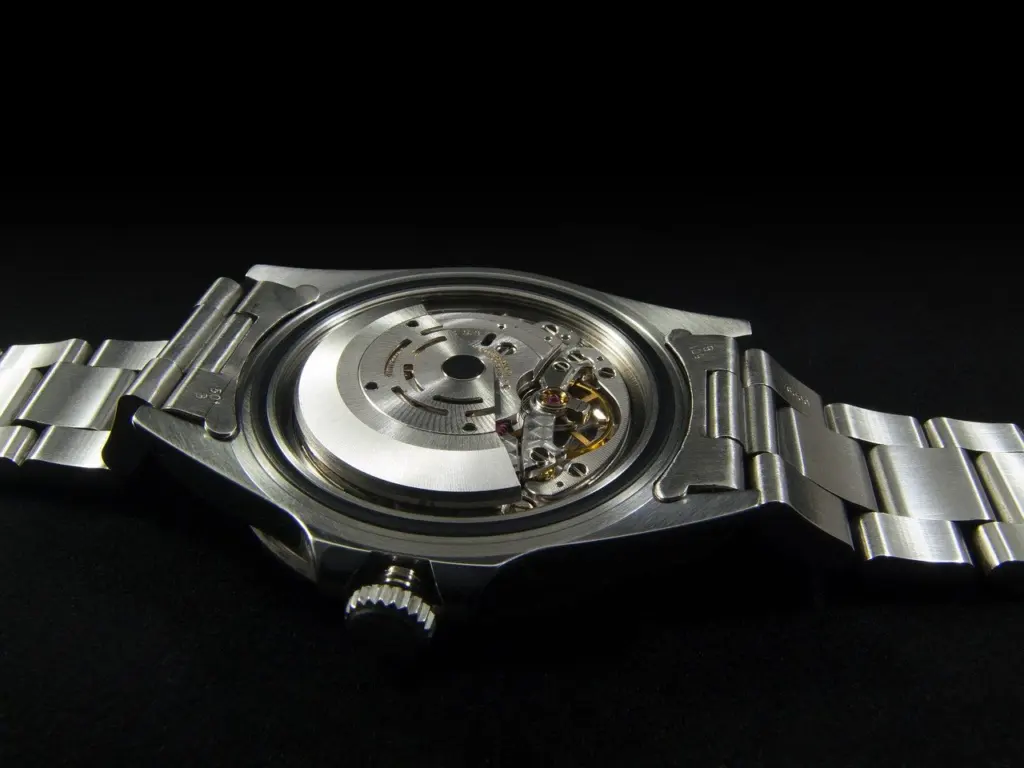
An automatic watch movement winds itself: wrist motion swings a weighted rotor, which tightens the mainspring that powers the watch. It keeps running while you wear it regularly and stops once its power reserve runs out off the wrist.
If you are still weighing up styles and movements, our guide on how to choose a watch puts the movement in the context of the wider buying decision.
How a self-winding watch charges itself
The winding system has no battery or separate motor. It turns ordinary arm movement into stored mechanical energy in four stages.
- Wrist motion engages the rotor. When you wear an automatic, the movement of your wrist engages a weighted rotor mechanism.
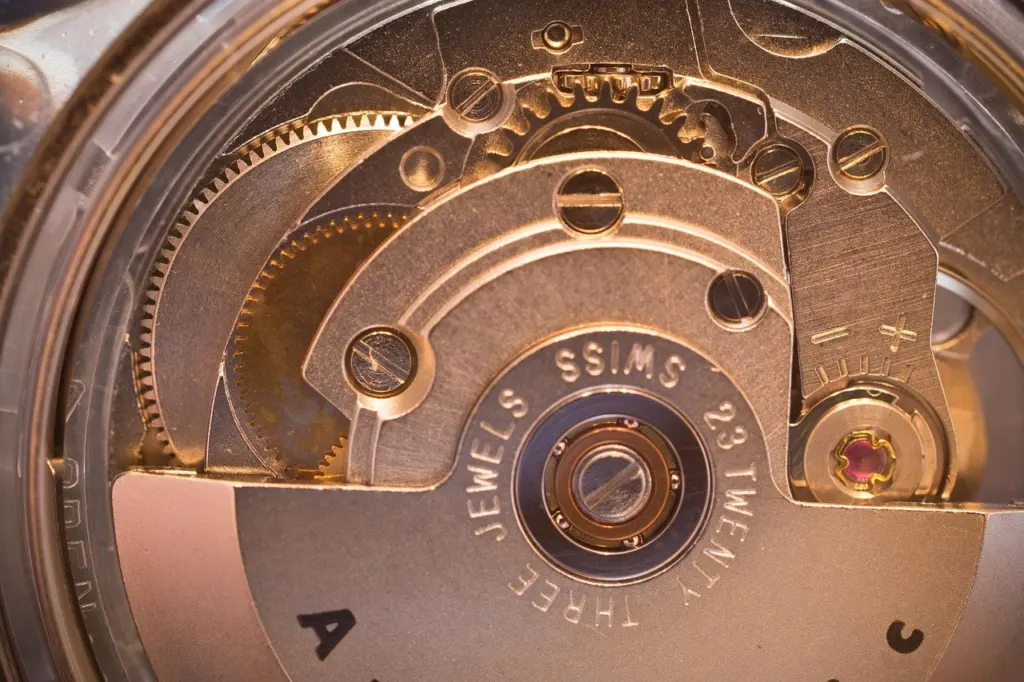
- The rotor spins. As the wearer moves their arm through the day, the self-winding rotor spins. It is a semicircular weight mounted on a central pivot, so it swings freely as your arm moves.
- The mainspring takes up the energy. The rotor’s spin stores energy in the watch’s mainspring, which is how the watch winds itself. A reverser winds the mainspring regardless of the direction the rotor turns, so no swing is wasted.
- The spring drives the watch. The mainspring is a tightly coiled strip of metal that stores mechanical energy and feeds the gear train as it unwinds.
Rotor design has changed over time. In Caliber 620, the rotor was unrestricted and could oscillate a full 360 degrees, which lets it collect energy from motion in any direction. For a buyer, this means the rotor is not something you need to manage. Your only job is to wear the watch enough to keep it charged.
Inside the movement
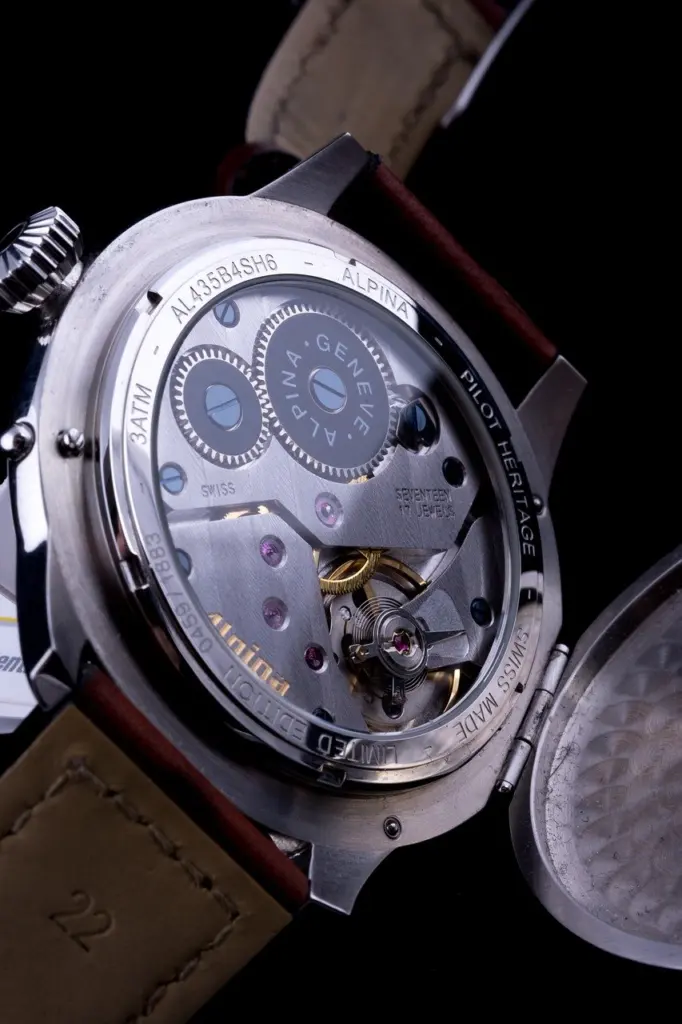
Beyond the rotor and mainspring, the other parts that matter to an owner are the balance wheel and the jewels. The balance wheel regulates how the stored energy is released, and its beat rate is a spec worth reading on any listing. Automatic movements typically run at 21,600 to 28,800 beats per hour.
The jewels are functional synthetic rubies placed at high-friction points inside the movement. They are working parts that reduce wear, not decoration, so a jewel count on a listing tells you something about the build.
| Figure | Typical value | Planning use |
|---|---|---|
| Power reserve | Around 38 to 80 hours, depending on caliber | Tells you how long the watch can sit unworn before it stops. |
| Beat rate | 21,600 to 28,800 beats per hour | A listed spec to compare between movements. |
| Routine service | Every 5 to 7 years | Treat it as a recurring ownership cost when budgeting. |
These ranges come from Nove’s movement guide for power reserve and Veshwaqt’s movement guide for beat rate and service interval.
Power reserve and why an automatic stops
Power reserve is the amount of time a watch can continue running after it is fully wound. For many automatic watches it falls somewhere around 38 to 80 hours, depending on the caliber. The figure is a range across movements, not a promise for any one watch, so check the spec for the model you are considering.
Your automatic watch most often stops for a simple reason: it ran out of stored energy. If you wear it often, natural motion should keep it wound through daily use. Leave it off the wrist past its power reserve and it will stop.
Getting it running again
Most automatic movements can also be wound by hand and should be if the power has completely run down. A crown and winding stem mean automatics can still be wound manually if necessary. Winding at the crown gives the mainspring a head start, so the watch does not depend on a few minutes of arm movement to restart.
If it keeps stopping while worn
A watch that runs down even though you wear it regularly is a different case. The evidence here supports the ordinary explanation of an empty mainspring. Persistent stopping on a regularly worn watch is a reason to have a watchmaker look at it, because the cause may then be inside the movement.
Servicing and care
An automatic is a mechanical machine with lubricants and moving parts, so it needs periodic attention. Automatic watches need periodic servicing because lubricants age and parts experience wear. Routine servicing is recommended every 5 to 7 years.
That interval is a planning guide rather than a deadline, but it sets the pace of ownership. Treat the watch as something you service on a schedule, and work out what that costs with a watchmaker for your specific movement before you buy. Service pricing varies by watch, and published cost ranges are not part of the evidence here.
Day-to-day habits
- Wear it regularly. Daily wrist motion is the intended way to keep an automatic charged.
- Hand-wind a stopped watch. Use the crown to restore power before setting the time.
- Rotate with care. If you own several watches, expect any you leave aside to stop once their reserve is spent.
Choosing an automatic movement
Start with how you will wear the watch. A daily wearer gets plenty of winding from normal motion, so the power reserve matters less. If you rotate between several watches, a reserve toward the upper end of the 38 to 80 hour range leaves you more slack before the watch stops.
Then check the practical points a listing should state:
- Power reserve. Look for the stated hours rather than assuming a typical figure.
- Beat rate. Compare the listed beats per hour between candidates.
- Manual winding. Confirm the crown and stem allow hand-winding, since that is how you restart a stopped watch.
- Service plan. Ask who will service the movement and how often, using the recurring interval as your baseline.
Accept that an automatic is a deliberate choice, not a default. If you want a watch you can leave in a drawer and find running, a mechanical movement may not suit you. If you enjoy a mechanism that runs on your own motion, it does.
Related accessories
A watch is usually one of several things you wear daily. If you also own silver pieces, How To Clean Silver Jewelry: 7 Easy, Safe Methods To Restore Shine (2026) – Getoku covers keeping them bright. For frames that suit your features, see Find Sunglasses That Fit Your Face: The Quick Style Guide For Men (2026) – Getoku.
Frequently asked questions
Can an automatic watch be overwound?
No. A self-winding watch can be wound indefinitely without snapping the spring, so continuous wear or extra winding at the crown does not threaten the mainspring.
When did the modern automatic watch appear?
The modern automatic watch debuted to the public at the 1926 Basel Fair with the Harwood watch. Rolex introduced the Oyster Perpetual in 1931.
Do automatic watches cost more than quartz?
Usually, yes. They usually cost more than quartz models because they are mechanically more complex.
What are the jewels in a movement for?
They reduce friction. They are synthetic rubies set at high-friction points rather than decoration, so they cut wear on the parts that move most.