
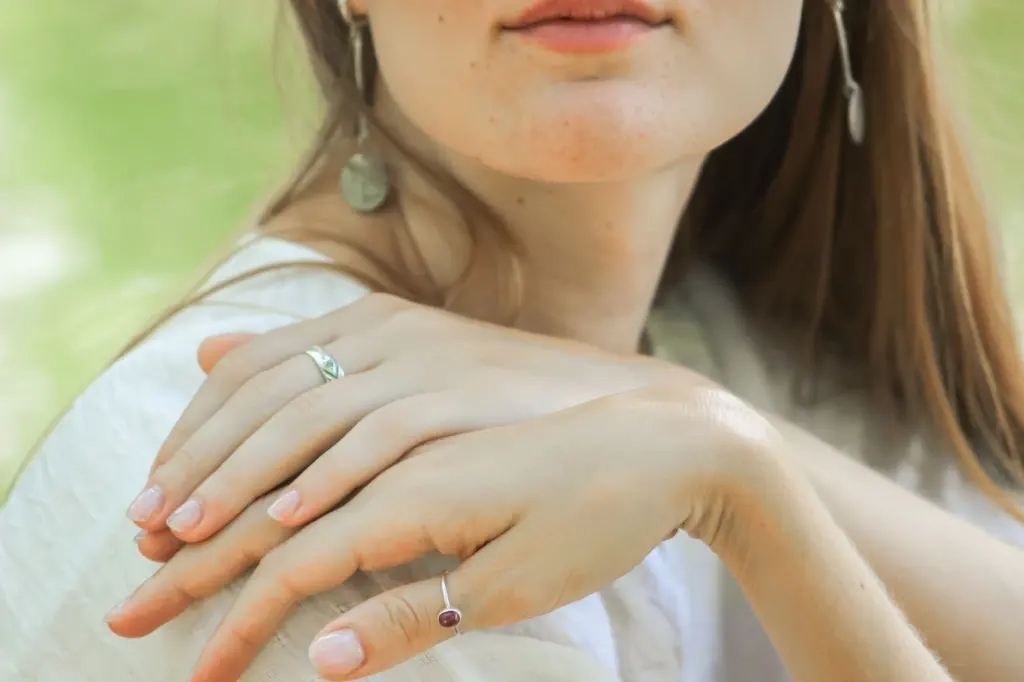
Knowing how to clean silver jewelry starts with a dull ring and a choice: mild soap, warm water and a soft cloth first, stronger methods only for plain solid silver without stones or plating.
Silver care sits inside wider accessory ownership, from rings to timepieces. For the buying side, see our notes on how to choose a watch.
Start with soap and water, not a stronger cleaner
The most common mistake is reaching for a paste, dip or soak before trying the gentlest option. A jeweler quoted by Vogue recommends mild soap in warm water, and says ordinary washing-up liquid works just fine. This is the safest first move for tarnished silver because it removes oils and surface dirt without scratching metal or stones.
- Mix the solution. Add a little mild soap or washing-up liquid to warm water.
- Clean gently. Use a soft toothbrush for crevices, chain links and the edges of settings.
- Rinse and dry. Rinse off the soap, let the piece dry, then buff it with a microfiber cloth.
If the piece looks bright again, stop there. Escalate only when soap leaves visible dark tarnish, and choose the next step by material using the table below.
Why silver tarnishes and what sterling is made of
Tarnish is the dull or darkened surface that develops on silver over time. According to the Vogue guidance, excessive exposure to air, moisture and sunlight is what causes it. That explains why a ring worn daily and left on a damp bathroom shelf darkens faster than a piece kept dry and out of the light.
Most silver jewelry is sterling silver, which care guidance from a jewelry retailer describes as typically 92.5% pure silver and 7.5% other metals, often copper. Because it is an alloy, sterling is solid metal all the way through. Plated silver is different: a thin silver layer sits over another base, and rubbing can wear through it.
Method safety by jewelry type
Use this table to match a method to the piece before you start. It separates what suits each type from what is most likely to cause damage.

| Jewelry type | Safer approach | Avoid | Planning use |
|---|---|---|---|
| Solid sterling silver | Mild soap in warm water, soft toothbrush, microfiber buff; polishing cloth for light tarnish | Baking soda paste; frequent polishing | Default route for plain chains, bands and bangles |
| Plated silver | Gentle handling and mild soap | Scrubbing or aggressive rubbing | Keep cleaning light so the plating lasts |
| Silver with natural gemstones | Soft, gentle cleaning without harsh agents | Alcohol, which dries the natural oils in gemstones; baking soda paste, which can scratch silver and gemstones | Identify the stone before choosing anything stronger |
| Pearls | Lukewarm water only, then a soft cloth once air-dried | Cleansers | Treat as a separate job from the metal |
| Coral, opals, turquoise | Gentle care without cleansers | Any cleanser (not for organic gems) | Do not use dips or cleansers on these |
| Costume jewelry | Wipe gently | Soaking, which could dissolve gems, glue or plastics | Avoid immersion |
The table draws on jeweler advice in Vogue and tarnish-care guidance from Intercept Jewelry Care.
Common misconceptions about polishing and home remedies
Several popular tips sound harmless but carry real trade-offs. These are the ones worth rethinking.
- “A polishing cloth fixes any tarnish.” Intercept Jewelry Care notes that polishing cloths are only effective when there is no heavy dirt, tarnish or oxidation. Each polish also creates fine micro-scratches, and repeated polishing can accelerate tarnish. Use a cloth for light dullness and switch method, rather than rubbing harder, when the tarnish is heavy.
- “Baking soda paste is a gentle kitchen remedy.” Baking soda mixed with water into a paste can be abrasive, and it can scratch both silver and gemstones. It suits neither a polished finish nor a stone-set piece.
- “A baking soda soak is safe for anything silver.” A soak in baking soda and hot water is a popular alternative to scrubbing, and it works for solid pieces without stones. It is the wrong choice for costume jewelry, where soaking could dissolve gems, glue or plastics. Keep soaks short and check the piece first.
- “Alcohol is a quick, hygienic cleaner.” The jeweler in Vogue would generally steer clear of alcohol on jewelry. It can dry out the natural oils in gemstones, which is a risk for stone-set silver.
If you want a stronger result than soap can give on plain sterling, the short soak is a better route than abrasive paste. Anything with stones, glue or plating is better left to gentle care.
Gemstones, pearls, plated and costume pieces
Natural and organic gemstones
Stone-set silver is where most cleaning damage happens, because a method that is safe for the metal can harm the stone. The jeweler quoted by Vogue says cleansers should not be used on any organic gems, naming coral, pearls, opals and turquoise. If you are unsure what a stone is, treat it as delicate and stay with mild soap and a soft brush rather than anything abrasive or drying.
Pearls
For pearls the advice is simple: wash them in just lukewarm water, then let them air-dry and finish with a soft cloth. This suits pearl rings or pendants set in silver, where the tempting shortcut is to dip the whole piece in a cleaner.
Plated and costume jewelry
Gentle handling matters most for gold-plated or silver-plated pieces, so skip scrubbing and aggressive rubbing. Plated silver is a poor candidate for repeated polishing because each pass works on a thin surface layer. For costume jewelry the main rule is not to soak it, since glue and plastics can fail before tarnish improves.
Preventing tarnish after cleaning
Prevention is mostly about limiting exposure. Because air, moisture and sunlight drive tarnish, silver stays brighter when it is kept dry and out of strong light between wears.
- Dry completely. Retailer care guidance notes that moisture left behind can promote tarnish, so pat each piece fully dry after washing.
- Polish less, not more. Every polish with a cloth makes micro-scratches, so reserve it for light tarnish and avoid a daily rub.
- Store with tarnish-prevention packaging. Intercept Jewelry Care recommends looking for copper-based tarnish-prevention packaging as the safest way to reduce how often you need to repolish.
Related accessory guides
If you also wear a silver-toned watch, sizing is covered in What Watch Size Should You Wear? The Practical Guide To Case Diameter, Thickness, And Fit (2026) – Getoku, and movement upkeep in Automatic Watch Movement: How Self-Winding Watches Work, What To Choose, And How To Care For Them In 2026 – Getoku.
Frequently asked questions
| Question | Answer |
|---|---|
| How long should silver soak in baking soda and hot water? | A home-care guide suggests soaking silver pieces for 1 to 3 minutes. Keep it to plain silver without stones, glue or plating. |
| Can I use paper towels or toothpaste on silver? | No. Retailer care guidance says to avoid anything abrasive, such as paper towels and toothpaste, so use a soft cloth instead. |
| Can hand sanitizer polish silver set with cubic zirconia? | It is best avoided. Care guidance from a jewelry retailer advises against polishing silver jewelry with gemstones, such as cubic zirconia, using sanitizer. |