

| Measure or effect | Value | Planning use |
|---|---|---|
| Wrist circumference of 14 cm or less | 20–30 mm case width | Start with the smallest case range and check lug-to-lug before buying. |
| Wrist circumference of 14–17 cm | 31–38 mm case width | The most flexible band for dress and everyday pieces. |
| Wrist circumference of 17–19 cm | 38–44 mm case width | Leaves room for sports and tool-style watches. |
| Wrist circumference of 19 cm or more | 44–55 mm case width | Larger cases look proportionate here; smaller ones can look lost. |
| Case coverage of the wrist | No more than about 75% of wrist width | Treat this as a ceiling, not a target. |
| Case thickness | 8–10 mm sleek; 11–13 mm more presence | Choose thinner for a low-profile look, thicker for a bolder one. |
| Band width | 20–27 mm with larger cases; 13–15 mm with smaller faces | Keep the strap in proportion to the case. |
Figures are from Tense’s watch size guide.
This watch size guide turns a wrist measurement into a case diameter, then checks it against lug-to-lug distance. Pick the diameter from your wrist first, then confirm the lugs do not run past the edges of the wrist.
For the wider picture of straps, style and fit, see our guide on how to choose a watch.
What the wrong size does on the wrist
A watch that is too large for the wrist looks top-heavy and tends to wear awkwardly. One that is too small looks lost. The practical limit comes from how much of the wrist the case covers. Tense advises that the case should cover no more than about 75% of your wrist width. Schwarzschild gives a slightly wider comfort band, suggesting a case of about 60–75% of your flat wrist width. Because 75% is a maximum, a watch near the lower end of that band usually looks calmer than one at the limit.
Why lug-to-lug matters
Lug-to-lug is the total span from one end of the case to the other across the wrist. Happy Jewelers calls it super important for how the watch actually wears, especially on smaller wrists. Schwarzschild’s guide puts a number on it: look for a lug-to-lug distance of about 75–95% of the width of your wrist. Two watches with the same case diameter can therefore sit very differently, because the one with longer lugs takes up more of the wrist. Check this figure on the product page before the diameter, and skip any watch whose lug-to-lug sits above that band for your wrist.
Can small wrists wear large watches?
Sometimes, and the deciding factor is lug-to-lug rather than diameter alone. A large case with compact lugs can fit a small wrist better than a modest case with long ones. Use these decision points:
- Check the span first. If the lug-to-lug distance stays within the band for your wrist width, a larger diameter can work.
- Look at the lug shape. Schwarzschild notes that flat or curved lugs play a role in how the watch lies on your wrist, so compare the lug profile as well as the numbers.
- Use the minimum for smaller designs. Schwarzschild says the minimum size from the wrist-based range should guide dress, vintage and field watches. Stay at the small end of your range for those styles.
- Walk away from the ceiling. If the case would cover more than about 75% of the wrist width, a different model is a better answer than a tighter strap.
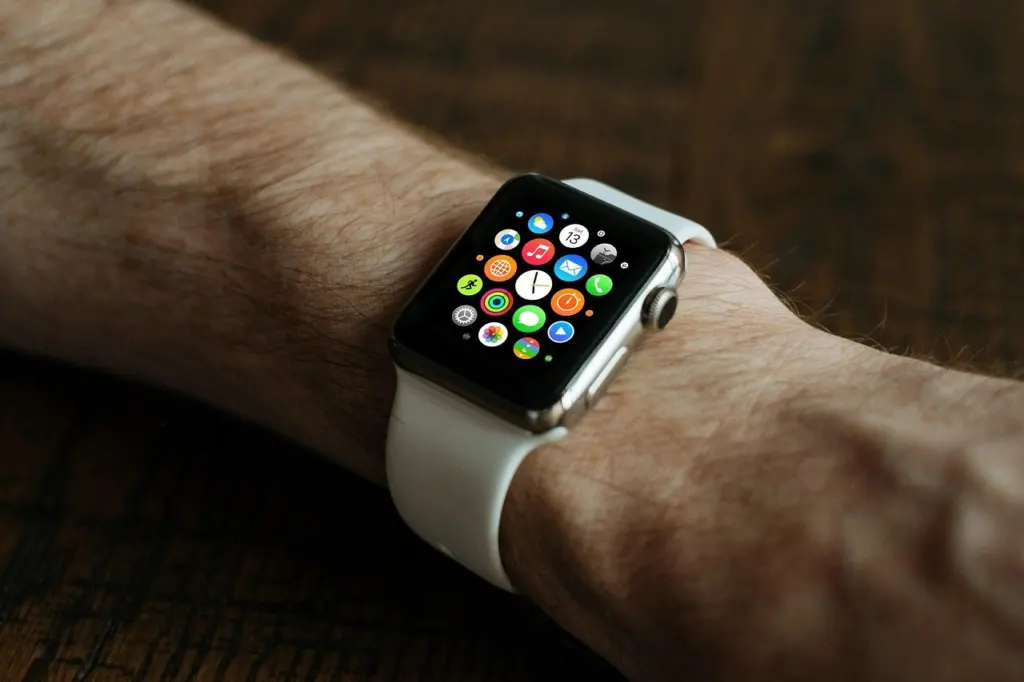
Choosing a case diameter from wrist size
The chart at the top works in centimetres. If you measure in inches, Happy Jewelers publishes a wrist-to-diameter chart in that unit:
- Under 6 in: 34–36 mm.
- 6–6.5 in: 36–38 mm.
- 6.5–7 in: 38–40 mm.
- 7–7.5 in: 40–42 mm.
- 7.5 in and up: 42–46 mm and above.
Retailer charts do not match exactly at their edges. Treat each as a range, and where wrist and chart point to different sizes, let lug-to-lug break the tie. For a single reference point, Daniel Wellington says a 42 mm watch generally fits wrists of 17 cm or larger. If you sit near that boundary, a smaller case is the safer choice.
Thickness, strap width and perceived size
Thickness and strap width change how large a watch feels, even when the diameter stays the same.
Case thickness
Most watches fall between 8 mm and 14 mm thick, according to Happy Jewelers. Under 8 mm is slim and suits dress watches. Tense describes cases of 8–10 mm as a sleek, low-profile look and 11–13 mm as having more presence. Decide on the character you want first: a thin case suits a formal, understated watch, while a thicker one reads as sportier.
Strap and lug width
Lug width is given in millimetres, for example 20 mm, and it sets which straps you can swap in, per Happy Jewelers. For proportion, Tense pairs wider bands of 20–27 mm with larger cases and narrower bands of 13–15 mm with smaller watch faces. If you plan to change straps often, note the lug width before buying.
Designs that wear bigger than the spec
The quoted diameter is not always how large a watch looks. Happy Jewelers says integrated bracelets, such as the style on the Royal Oak, can make a watch wear bigger than its case size. A 40 mm watch with chunky pushers might feel more like 42 mm on your wrist. For these designs, try one size down from your first choice, or try the watch on before committing.
Measuring your wrist
A careful measurement keeps the chart ranges useful. Follow these steps:
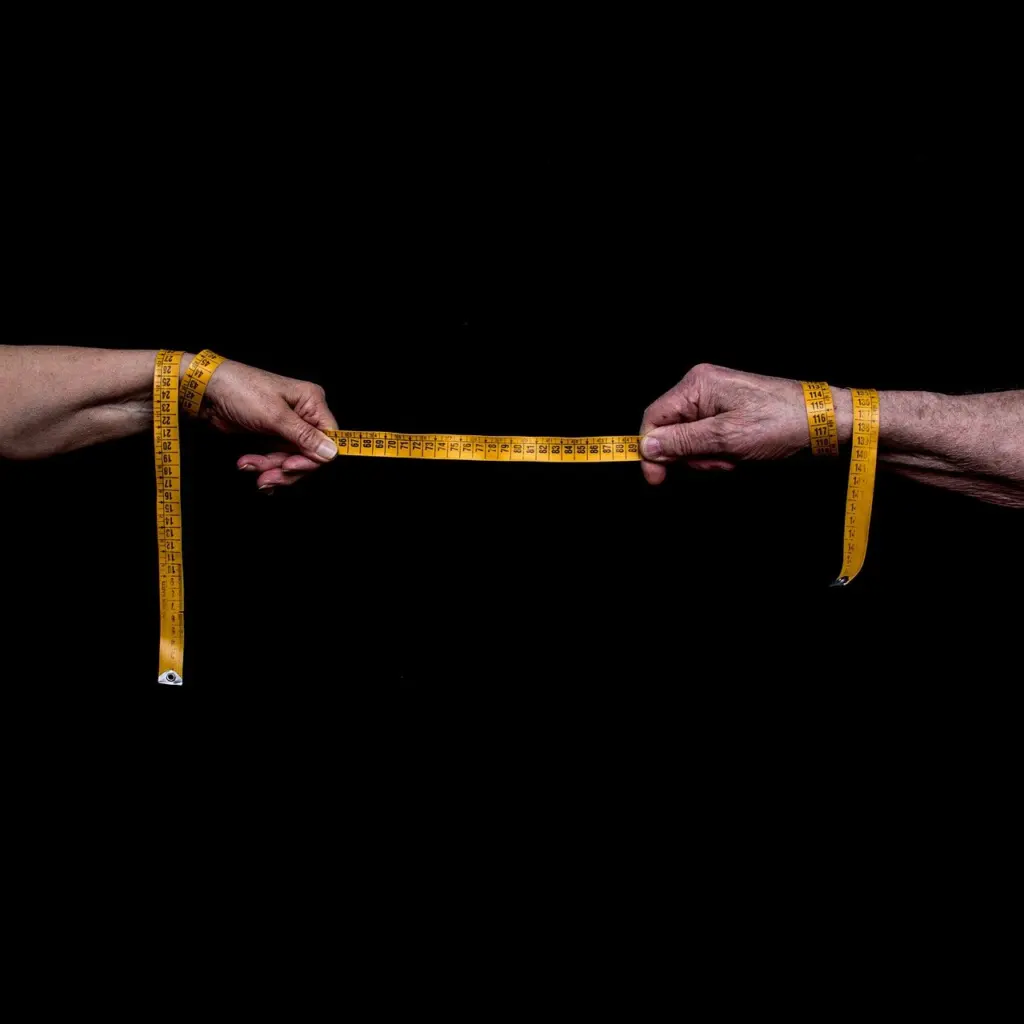
- Pick a tool. Mayors says you can measure your wrist circumference with a tape measure. If you have no tape, use string and a ruler.
- Place it correctly. Wrap the tape just below the wrist bone, where the watch sits, as Daniel Wellington describes.
- Read the circumference. Note the number where the tape meets itself.
- Estimate flat wrist width if needed. Schwarzschild says to measure the circumference in millimetres and divide it by 3, which gives the approximate flat width used for the case and lug-to-lug percentages.
- Allow for a looser fit. For a looser fit, Daniel Wellington suggests adding 1–2 cm to your measurement.
After you settle on a size
Once the case size is chosen, upkeep is the next practical question. If the watch is battery-powered, Watch Battery Size Chart: How To Identify, Compare, And Replace Cells In 2026 – Getoku explains how to identify and replace the cell. If the case or bracelet is silver, How To Clean Silver Jewelry: 7 Easy, Safe Methods To Restore Shine (2026) – Getoku covers safe cleaning methods.
Frequently asked questions
How do I measure the case diameter of a watch I already own?
Measure straight across the watch face, ignoring the crown, as Happy Jewelers advises. Schwarzschild confirms that case size is the case only and does not include the crown.
Should a dress watch and a sports watch be sized differently?
Yes, slightly. Happy Jewelers suggests going 1–2 mm smaller for a sleek, dressy look and 1–2 mm larger for a sporty one, relative to your wrist-based size.
Are men’s and women’s watch sizes fixed categories?
They are typical ranges, not rules. Mayors puts men’s watches at about 38–46 mm and women’s at about 26–36 mm. Daniel Wellington gives typical wrist sizes of 16–20 cm for men and 14–18 cm for women, and these bands overlap, so your own wrist measurement is a better guide than the label.
Does a thinner case make a watch look smaller?
Yes, but modestly. Schwarzschild says a thinner case appears smaller, though the difference is not all that dramatic. Diameter and lug-to-lug matter more to the overall look.