
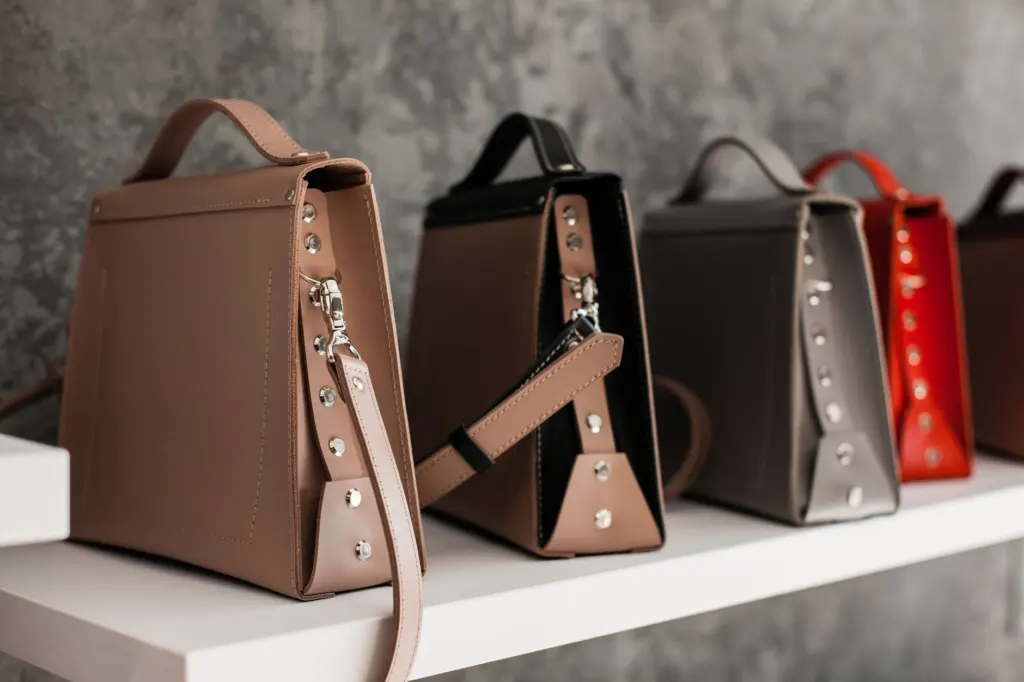
| Bag type | Verified feature | Planning use |
|---|---|---|
| Satchel | Typically medium-sized with top handles, often with a crossbody strap | First choice for work, meetings and semi-formal settings |
| Tote | Simple rectangular construction with short or shoulder-length straps | Open, roomy carry for work and errands; check size before buying |
| Crossbody | Long strap worn diagonally, generally sitting at the hip | Hands-free days; strap length decides where the bag lands |
| Backpack | Two shoulder straps for hands-free carrying | Longer carries; pick the size band for the trip |
| Clutch | Listed for date night and parties alongside a mini bag | Evening events rather than workdays |
Features come from an overview of bag types and a handbag occasion guide.
Among the different types of bags, a satchel or tote suits work meetings, and a laptop bag with padded compartments suits commuting with a computer. Clutches suit evenings; check size and material before buying.
If the bag is part of a wider accessories purchase, the accessories guide that explains how to choose a watch sits alongside this one.
Work bags: satchels, totes and laptop carriers
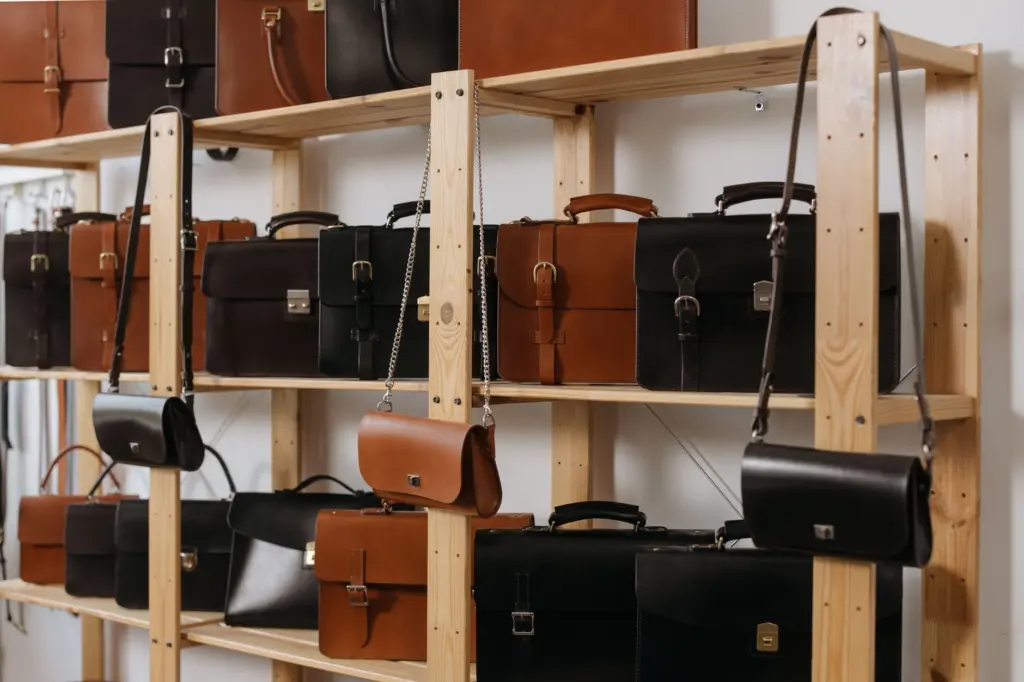
A satchel is the most direct answer to the question of which bag type suits work. A handbag guide describes satchels as typically medium-sized with top handles, often with a crossbody strap, and calls them great for business meetings or semi-formal settings. The same guide’s occasion list pairs work and meetings with the satchel and the tote. A manufacturer overview also calls the satchel suitable for work wear or daily casual travel.

If you carry a computer every day, the interior matters more than the silhouette. Bags designed for carrying computers usually have padded compartments, according to the same manufacturer overview. A satchel or tote without that padding leaves the device protected only by whatever sleeve you add yourself.
- Choose a satchel when you want top handles for meetings and a strap option for the commute.
- Choose a tote when you want a simple, open rectangular body. The bag-types overview notes short or shoulder-length straps, usually double.
- Choose a messenger-style bag when you carry more. The same overview describes messenger bags as typically larger satchel-type bags made from canvas or soft leather.
- Choose a dedicated laptop bag when a device travels with you daily and padded compartments are the priority.
Everyday and hands-free bags
Outside the office, the choice comes down to how you want to carry. Totes, crossbodies and backpacks each answer a different habit.
Totes
The tote’s simple rectangular construction leaves the decision to size and strap length. A short strap suits carrying in the hand or on the forearm, while a shoulder-length strap suits carrying on the shoulder, so check which the model offers. Size bands are covered below.
Crossbodies
A crossbody has a long strap worn diagonally across the body, and the bag generally sits at the hip but may sit slightly higher or lower, as the bag-types overview explains. That variation is the practical check: try the strap at the length you will actually wear it, because the placement of the bag changes how easily you can reach it.
Backpacks
Backpacks have two shoulder straps and are designed to be worn on the back, which leaves both hands free. They are commonly small to medium-sized, with extra-large versions made for travel, per the same overview. For a daily commute, stay with the smaller bands; keep the extra-large format for trips.
Evening bags: clutches
A clutch typically comes without handles or straps and is carried in the hand or under the arm, according to a handbag types guide. It is often used on evening occasions to carry small essentials. The tonirossi occasion guide groups the clutch and the mini bag under date night and parties.
The trade-off is plain. With no strap, one hand or arm is occupied for the whole event. If you need to keep both hands free, a small crossbody is the alternative; if you carry only a few essentials and want the dressier look, the clutch fits.
Choosing the right size
Size is easiest to judge on totes, where an industry size guide gives bands. It measures width across the opening and height from the bottom to the top edge, so compare those two points with the largest item you carry.
- Small tote: width 12–13 in / 30–33 cm; height 13–14 in / 33–36 cm; depth 3–4 in / 8–10 cm.
- Medium tote: width 14–16 in / 36–41 cm; height 14–16 in / 36–41 cm; depth 4–6 in / 10–15 cm.
- Large tote: width 17–18 in / 43–46 cm; height 15–16 in / 38–41 cm; depth 5–7 in / 13–18 cm.
- Extra-large tote: width 18–22 in / 46–56 cm; height 16–18 in / 41–46 cm; depth 6–8 in / 15–20 cm.
Look at depth as well as width, since depth rises with each size band. A small tote suits a light daily load, while the larger bands suit bulky items, but they also encourage overpacking, which affects wear (see the care section).
For other formats, the supported guidance is qualitative. Satchels are typically medium-sized, backpacks are commonly small to medium, and clutches hold only small essentials. Choose the band that fits your daily load rather than the biggest option available.
Materials compared
The bag-types overview lists leather, vinyl and woven fabric as popular bag materials. Material choice interacts with bag type and with how much you carry.
- Leather: found in soft form on messenger bags and in structured work formats. It comes with a routine of regular cleaning, covered below.
- Canvas: used for messenger bags and, according to the tote size guide, for small totes alongside cotton. Large totes typically benefit from heavier canvas and reinforced handles.
- Lightweight synthetics: the same guide lists non-woven polypropylene and light nylon as options for small totes.
- Vinyl and woven fabric: named as common classes; check the product listing for the specific build.
The practical rule: the bigger the tote, the more the handles and fabric weight matter. For a small tote, a light material is sensible. For a large tote that will hold heavier loads, look for heavier canvas and reinforced handles.
Care by material
Care advice from a manufacturer overview is short and consistent: clean regularly and do not overload.
- Leather: clean it regularly and keep the handles stable. On flap styles, keep the flap clean, especially on leather models.
- Totes: wipe clean with a damp cloth and avoid overloading.
- Backpacks: clean regularly to avoid water damage.
- Clutches and fabric bags: wipe gently, or use a cloth bag for protection.
Match the routine to your habits. If you will not clean a bag regularly, avoid materials that depend on it.
Pairing a bag with other accessories
A bag often gets chosen alongside a watch. Buyers comparing watches can read Quartz Vs Automatic Watches: How To Choose The Right Movement In 2026 – Getoku, and those whose watch needs a new cell can use Watch Battery Size Chart: How To Identify, Compare, And Replace Cells In 2026 – Getoku.
Frequently asked questions
Why can a tote differ from its listed size?
The size guide notes that actual tote sizes may vary slightly with material thickness, handle length and construction method, so treat listed bands as approximate.
What is a hobo bag?
A hobo bag is crescent-shaped, slouchy and lightweight, and it is made from soft leather, according to the bag-types overview.
How should a clutch be stored?
Gently wipe it clean and store it in a dust bag for preservation, as the manufacturer overview advises.