
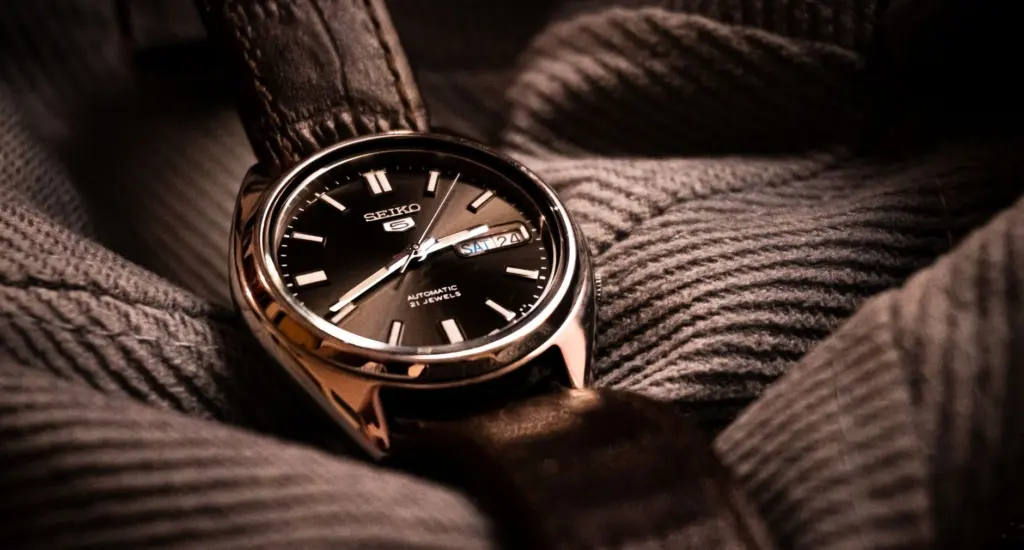
Standing at the counter choosing between a precise, low-fuss watch and a mechanical one? In the quartz vs automatic watch choice, quartz wins on accuracy and upkeep; automatic suits regular wearers who like a mechanical movement.
Most buying mistakes come from a few persistent misunderstandings about accuracy, servicing and price. They are sorted out below, and the wider framework on how to choose a watch sits in the accessories buying guide.
How each movement keeps time
A quartz watch is electronic and an automatic watch is mechanical. Nearly every difference in accuracy, upkeep and wear follows from that split.
Quartz: battery and crystal
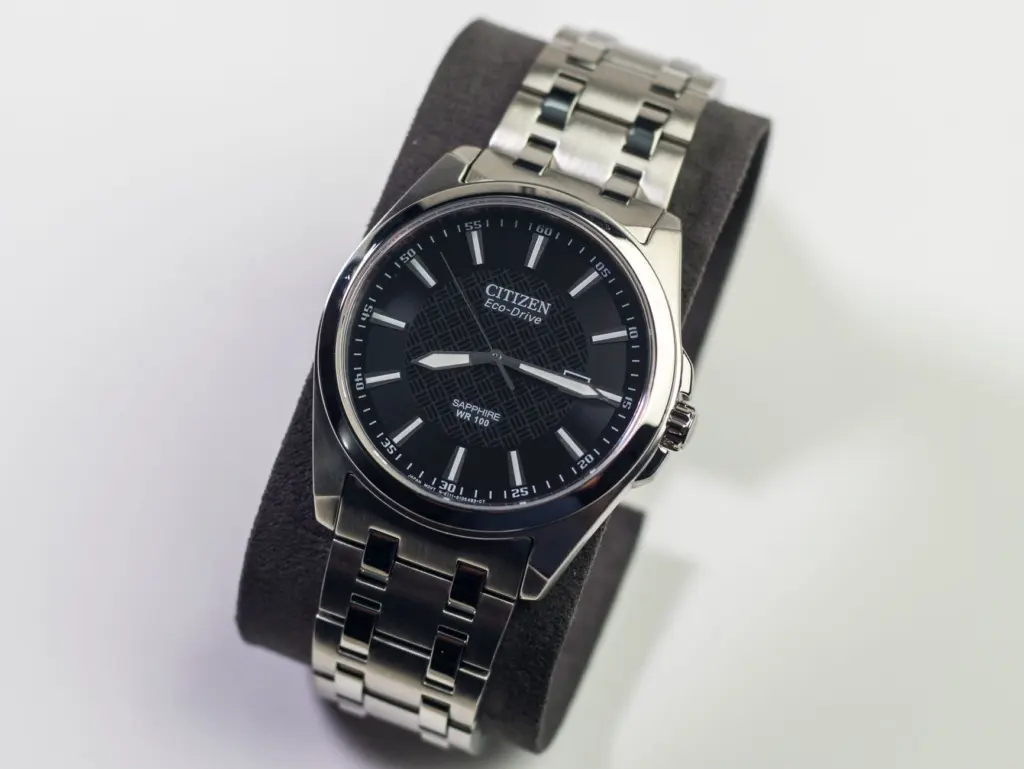
A quartz movement uses a battery and a quartz crystal to regulate time electronically. Nothing needs winding, because the battery is the power source. That makes the battery the one consumable part you will deal with over the life of the watch.
Automatic: rotor and mainspring
An automatic watch relies on mechanical parts and the motion of your wrist to wind itself. A rotor, a weighted mechanism that spins with the movement of the wrist, winds the mainspring. So the watch is powered by being worn, and it has no battery to replace.
The contrast at a glance
| Feature | Quartz | Automatic | Planning use |
|---|---|---|---|
| Power source | Battery and quartz crystal | Mainspring wound by wrist motion | Quartz tolerates irregular wear; automatic needs regular wear. |
| Accuracy | Within ±15 seconds per month | 4-6 seconds per day for chronometer-status models | Choose quartz when tight timekeeping matters most. |
| Upkeep | Battery changes every few years; low maintenance | Regular servicing recommended every 3-5 years | Treat automatic servicing as a recurring cost. |
| Running without wear | Runs on its battery; no winding | Typically 40-80 hours; requires winding or movement | Rotating several watches is easier with quartz. |
| Price position | Generally lower | Generally higher, reflecting craftsmanship | Compare ownership cost, not only the ticket price. |
The quartz accuracy figure comes from a retailer’s movement comparison, and the remaining figures from another retailer’s expert advice.
Accuracy: where the quartz advantage is real
Quartz is the more accurate movement. Quartz watches keep time to within ±15 seconds per month. Automatic watches, particularly those with chronometer status, deviate just 4-6 seconds each day.
Reading the units
The quartz figure is a monthly drift and the automatic figure is a daily one. Even the chronometer-status automatic is being measured on a much shorter clock. The figure also describes the better end of mechanical watches, so do not assume every automatic matches it.
What this means for a buyer
Mechanical charm and accuracy are separate qualities, and you rarely get both in one watch. If the watch will set your schedule for trains, shifts or appointments, quartz is the safer pick. If you are happy to glance at a phone and nudge the hands now and then, automatic accuracy is perfectly livable, and the rotor is part of the appeal.
Upkeep and ownership cost
The cheaper movement to buy is not automatically the cheaper to own. The real comparison runs across years, as each movement asks for different attention.
Automatic is not wind-and-forget
Retailers’ guidance agrees that an automatic needs servicing every 3-5 years to keep the movement in top shape. The absence of a battery does not mean the absence of upkeep. Service pricing varies by brand and workshop, so ask for a quote before buying, especially for less common calibres.
Quartz is low-cost to run, not free
Quartz-powered watches are relatively low-maintenance, and the recurring task is a battery change every few years. That is a modest, predictable routine. It still needs doing, because a flat battery stops the watch.
Purchase price versus lifetime spend
Quartz watches are generally cheaper than automatic watches due to simpler mechanics, while automatic prices are generally higher, reflecting craftsmanship. Both statements are tendencies rather than rules, so compare specific models instead of assuming a movement type fixes the price. Add the servicing cycle to the automatic’s higher purchase price and the gap widens over time. If you would rather spend on the watch than on its upkeep, quartz leaves more of the budget in the case, dial and strap.
Daily wear: durability and running time
Both movements can be worn daily, but they reward different habits. Quartz is indifferent to how often you wear it. An automatic does best when it is on your wrist most days.
Power reserve in practice
Automatic watches need to be worn daily, or at least wound daily. One brand states that its automatics store 24–80+ hours of power, depending on the model. The top of that range is a ceiling, not a target. A typical reserve of 40-80 hours is a better planning basis, and the figure for the model you are considering is the one that matters.
Knocks, moisture and magnetism
Quartz is generally more robust against shocks, magnetic fields and other interference. Automatics, by contrast, can be more sensitive to impacts, moisture, and magnetic fields. The fewer moving parts in a quartz movement are the likely reason it copes better with rough use.
If your day involves bumps, workshops or exposure, lean quartz. For desk and dress wear, an automatic’s sensitivities seldom come into play. Wearers who like to keep the whole outfit in good order may also find the guide to How To Clean Jewelry At Home: Safe, Fast Methods For Sparkling Results (2026) – Getoku useful for the other metal pieces they wear daily.
Which movement fits which wearer
Decide by habit first and aesthetics second, because the habit determines whether the movement stays happy.
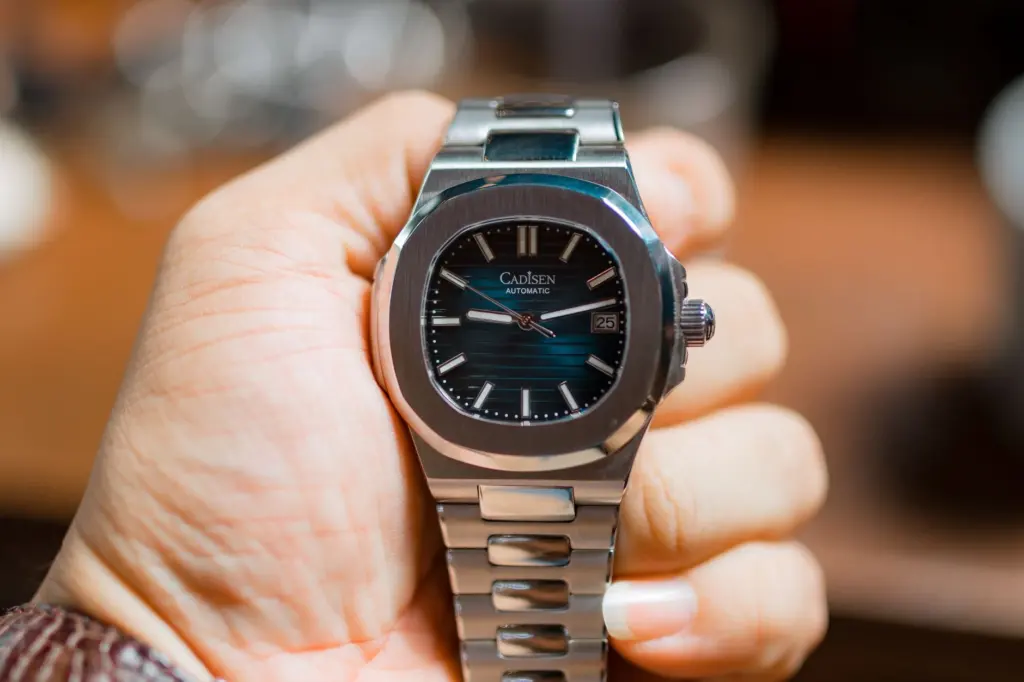
- Quartz suits grab-and-go wearers. It is the better fit for people who keep several watches in rotation, travel often or want a watch that simply works whenever it is picked up.
- Quartz suits harder use. Active or knock-prone routines favour the more robust movement.
- Automatic suits regular wearers. If one watch lives on your wrist most days, the rotor keeps it running without a battery.
- Automatic suits movement enthusiasts. Buy it for the mechanism and the craftsmanship, and accept that accuracy and servicing are part of that bargain.
- Neither suits an unexamined purchase. Check the stated power reserve, the servicing outlook and the price position of the exact model before committing.
A watch also travels with the rest of your daily gear, so it can help to think about how you carry it alongside everything else. The guide to The Ultimate Guide To Different Types Of Bags: Find The Perfect One For Every Occasion – Getoku covers that side of the decision.
Frequently asked questions
| Question | Answer |
|---|---|
| Where did quartz watches come from? | The quartz movement was pioneered by Japanese watchmakers in the 1960s. |
| Is an automatic the same as a manual-wind watch? | No. An automatic winds itself through wrist motion, whereas a manual-wind mechanical watch must be wound every 1–3 days. |
| Can I rotate between several watches? | Quartz handles it easily, since it keeps running unworn, whilst an automatic watch will stop after a few days if left unworn. Rotating automatics works only if each gets worn or wound often enough. |