
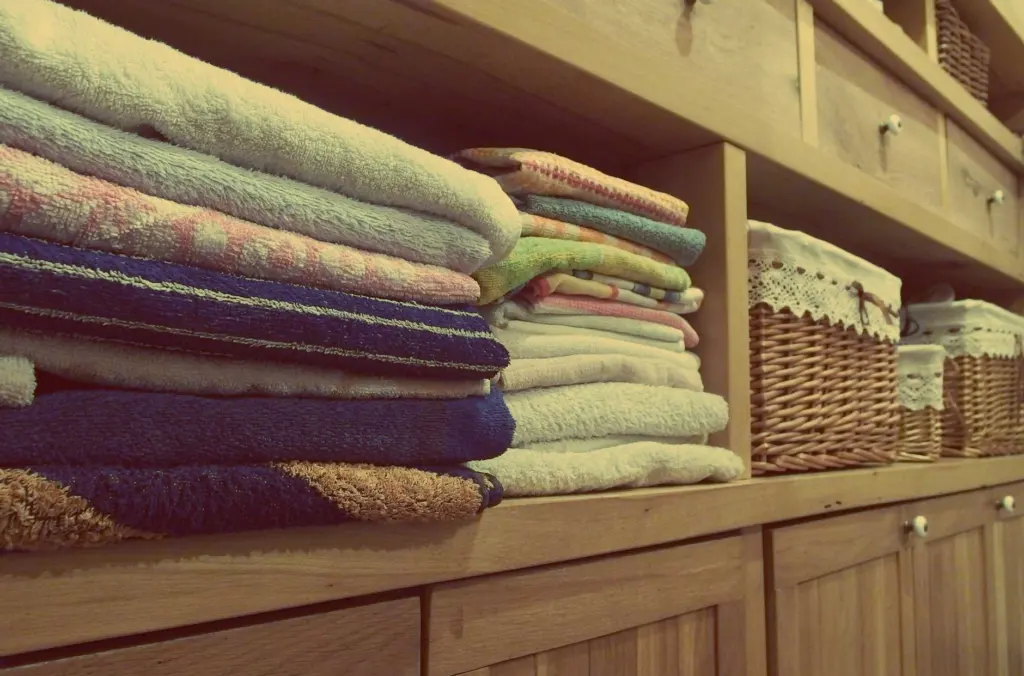
| What to check | Supported condition | Planning use |
|---|---|---|
| Clear opening, depth and nearby door swings | Measure all three before choosing a cabinet | Rule out any cabinet or tower that blocks a door or leaves the opening too tight. |
| Shelf sizes and fixed features | Note shelf sizes and obstacles such as pipes or windows | Mark the usable zones first, then buy bins to fit them. |
| Deep shelves | Pull-out drawers suit them; check opening width and drawer clearance so the back row stays reachable | Choose pull-outs only when the opening allows the drawer to travel. |
| Over-door organizer | Pick a shallow model that clears the interior shelves when the door closes | Shortlist shallow organizers and test the door swing before committing. |
| Second hanging rod | Check the length of hanging items and the spacing between rods first | Confirm the clearance before installing anything. |
| Shelf spacing | Set spacing around folded towels and baskets, not around empty air | Adjust shelf heights to the stacks you own so no space goes unused. |
These conditions draw on a bathroom closet storage guide and a bathroom organization guide.
The best bathroom closet organization ideas start with measuring: clear opening, depth and door swing decide which bins, risers and organizers fit, and sorting out old items comes before any purchase.
The same measure-first thinking applies elsewhere in the home, from this closet to how to choose curtains for a living room, which sits in the how to choose curtains for a living room area of the site. Renters can fit the job into the wider tasks in First Apartment Checklist: The Ultimate Move-In Guide For New Renters (2026) – Getoku, and parents sorting nursery storage will find a parallel system in Baby Closet Organization Ideas: Calm, Clutter-Free Systems for Busy Parents (2026) – Getoku.
Measuring and sorting before you buy
Buying storage before measuring is the most common way to end up with bins that do not fit. A small bathroom closet punishes a wrong guess because a few centimetres of misfit can block a door or leave a shelf half empty.
Measurements that decide the purchase
Start with the clear opening, the depth and the swing of any nearby doors, as the InYouths guide advises before choosing a cabinet. Then note the size of each shelf and any fixed features such as pipes or windows, which Ferguson Home lists as part of knowing how much space you have to work with. Write the numbers down in one place. Shelf dimensions vary from home to home, so your own tape measure is a better guide than any typical figure.
Sorting out what does not belong
Empty everything out of the closet first, then sort out anything old, expired or unused. Ferguson Home recommends this order because the space you actually need is smaller once the dead stock is gone. A closet that looks too small is often a closet that is holding items nobody uses.
- Keep and arrange: items you use now, arranged by the size of the available space and by how often you reach for them.
- Discard: anything old, outdated or expired.
- Reconsider: duplicates and products you have not touched, which are the first candidates to leave before you buy a single bin.
With the closet empty and the measurements noted, the shelves themselves are the next decision.
Shelves, deep and shallow
Shelf depth shapes what works. Deep shelves swallow small items at the back, while shallow shelves suit stacks you can see at a glance.
Deep shelves
Pull-out storage is especially useful for deep bathroom closet shelves, according to InYouths, because the back row comes to you instead of staying hidden. It pays to check opening width and drawer clearance so the drawer can actually travel. If pull-outs do not fit, a turntable is a lighter alternative: Sunday Flat notes that a sleek turntable keeps tall bottles visible, tidy and easy to grab.
Risers and dividers
A shelf riser adds a second level without drilling, and the same retailer says it can double closet space on a shelf with headroom to spare. Shelf dividers solve a different problem: they keep towels from leaning into skincare. InYouths adds that upright dividers come in a huge range of designs and styles, so a closet with limited shelf headroom has room to choose.
- Choose risers when a shelf has unused height above short items.
- Choose dividers when stacks lean or topple into neighbouring products.
- Choose pull-outs or a turntable when the back of the shelf is going to waste.
Spacing the shelves themselves matters as well. Set them around your folded towels and baskets rather than leaving large, unused gaps, as the same guide recommends.
Doors, rods and spare inches
The inside of the door and any vertical gap are the closet’s cheapest extra storage, provided they do not interfere with how the door closes.
Over-door organizers
An over-door organizer should be shallow and must clear the interior shelves when the door closes, so test the swing with the shelves loaded. The Good Housekeeping suggestion of a tiered shelf over the door frame is a good fit for towels and linens, which stay within reach without taking up shelf space.
A second rod
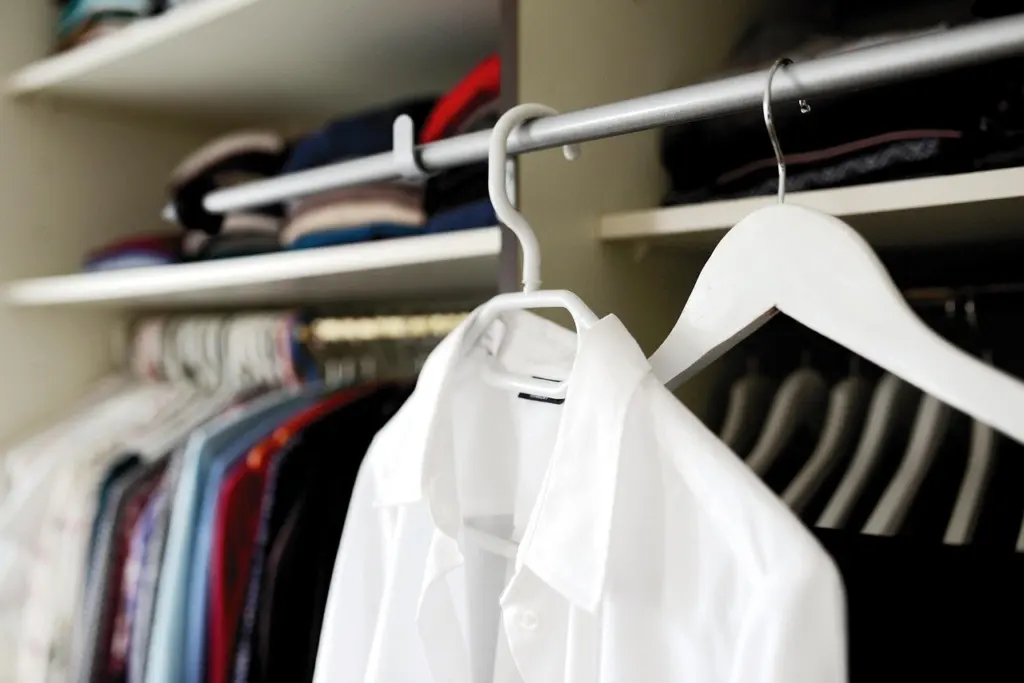
If the closet holds robes or other hanging items, a second rod can add capacity, but check the length of the hanging items and the spacing between the rods before installing it, as InYouths advises. A rod that leaves no room under it just trades one problem for another.
When the closet is not enough
If the closet cannot take everything, a small gap elsewhere can help. Good Housekeeping notes that about 18 inches between the toilet and shower is all a three-tier caddy needs, which can take overflow toiletries out of the closet.
Towels, toiletries and bins
Once shelves and doors are settled, bins decide how tidy the closet stays day to day. The rule that works is to match container to contents rather than buying one style for everything.
Towels
Large baskets suit extra linens, according to Good Housekeeping. For stacks on open shelves, Sunday Flat observes that rolling towels stops the messy, sliding piles that regular folding creates. Rolled towels also stand in a cubby or basket without needing a divider.

Toiletries and backstock
Clear bins suit toiletries because you can see what is inside without opening them. Sunday Flat says clear, stackable boxes keep bathroom backstock visible, which makes it easier to spot what needs replacing. For smaller items, Ferguson Home points to plastic stacking drawer organizers with sealing lids, which can hold anything from hair care products to makeup.
Small baskets or bins that group similar items together also work, as InYouths suggests, and they keep the shelf from turning into a loose pile of bottles.
Keeping the closet tidy
A closet stays organized when the system takes less effort than the mess. Put the most often used items toward the front of the shelf, as Ferguson Home recommends, so daily reaches never disturb the stock behind them.
Labels make the system usable by everyone in the household. Sunday Flat suggests labeling bins clearly so family members can instantly find what they need, which also means they can put things back in the right place. If the closet is shared with guests or children, labels remove the guesswork about where things belong.
When a bin overflows, treat it as a signal to sort rather than to buy a bigger bin. Anything old, expired or unused should go before storage is added, which keeps the measured space doing the work it was planned for.
Frequently asked questions
Should guest supplies live with everyday toiletries?
No. InYouths suggests grouping everyday toiletries, guest supplies and unopened refills separately, so you can see what needs replenishing.
Are waterproof labels worth using?
They suit a bathroom closet, since the same guide notes that waterproof labels can mark bins, drawers and shelves.
Do wicker bins work for closet storage?
They can, mainly for appearance. Good Housekeeping says wicker bins can easily hide clutter, which suits items you do not need to see at a glance.
How often should the closet be reset?
Guidance from Item List is to return misplaced items to their designated zones each week and to take everything out of cabinets and drawers monthly, to sort and check what you have.