
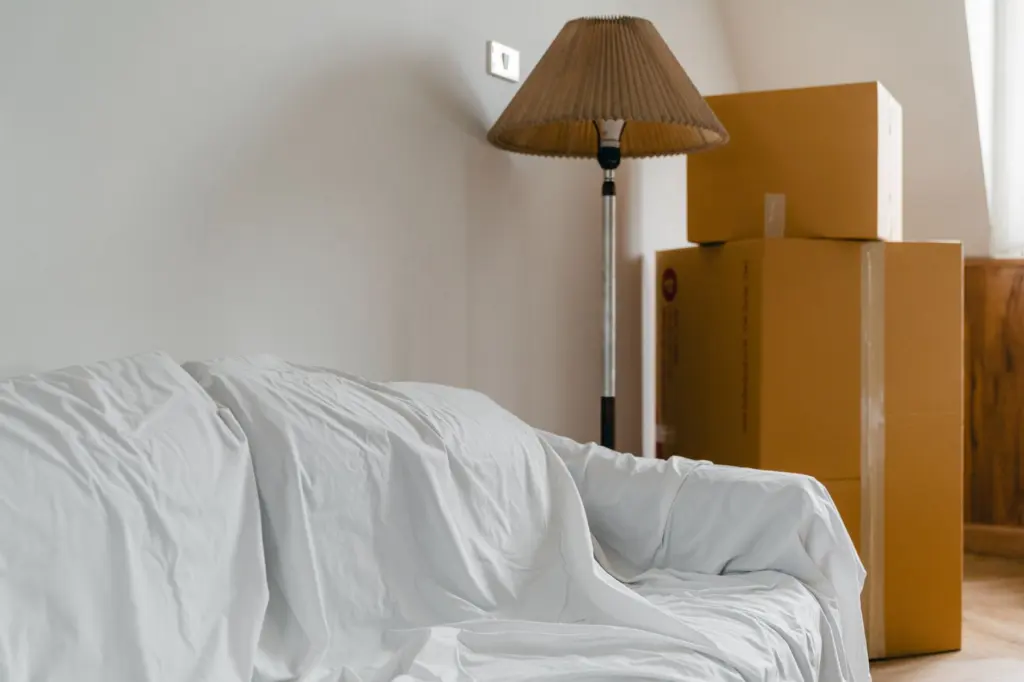
A first apartment checklist works best in priority order: bed and smoke detector check on the first night, kitchen basics in the first days, and larger furniture only after you have lived in the space for a few weeks.
Window coverings are one of those later decisions, and our guide on how to choose curtains for a living room is the place to start when you reach them. The sections below follow the order in which you will actually need things.
Why order matters more than the list itself
A checklist that treats every item as equally urgent pushes new renters to buy too much, too soon. Two pressures drive that. Kitchens in first apartments are notoriously small, so every pan and gadget competes for limited storage. The same guidance warns that the price of non-essential kitchen items can add up quickly. A room-by-room breakdown is useful because it stops you missing something you need. Putting that breakdown in sequence tells you when to buy it.
In practice, the sequence looks like this:
- Before you sign: read the lease in full.
- First night: set up the bedroom and check the smoke detector.
- First days: unpack kitchen basics and sort out where clothes and everyday items will live.
- First weeks: live in the apartment, then decide on larger purchases.
This answers the question of what to buy first: the things that let you sleep safely and eat a simple meal. Everything else can wait until the apartment shows you what it lacks.
Before you sign: the lease
The lease is the one item on the list that costs nothing and cannot be fixed afterwards. One renter guide advises that you take the time to read the lease from cover to cover before committing. That matters for the rest of your checklist. What the lease says about the unit, such as which fixtures and appliances come with it, shapes what you need to buy. It is worth reading it before you spend anything on furnishings.
If a clause is unclear, ask before signing rather than after moving in. Once you have signed, keep your copy somewhere you can find it quickly.
Bedroom and safety on the first night
Bedroom first
Treat the bedroom as the first priority zone. A moving checklist publisher says it typically tells first-time renters to do exactly this, so that you can sleep properly on the first night. After a long moving day, a made bed is worth more than a half-assembled living room.
- Mattress: a property-management checklist suggests buying the best quality mattress you can afford, brand new. Of all the bedroom items, this is the one worth stretching the budget for.
- Bedding: the same guide recommends two sets of bedsheets to start. That way one set is on the bed while the other is being washed, and you never end up sleeping on bare mattress.
- Everything else: pillows and a cover for the bed are sensible additions, but they can be simple at first and upgraded later.
Smoke detector check
A smoke detector check belongs on move-in day. The moving checklist lists it together with replacement batteries, and notes that a working smoke detector takes seconds to check. Do it before you unpack anything. It is the cheapest and quickest safety step in the whole move, and if the detector does not work, you have a concrete issue to raise with your landlord straight away rather than a surprise later.
Kitchen basics
A first kitchen needs enough to cook simple meals and little else. The moving checklist lists a frying pan, a saucepan, a large pot, a baking sheet, mixing bowls, a colander, a spatula, a can opener, and measuring cups and spoons. That set covers frying, boiling, baking and basic prep without filling a small cupboard.
Because first-apartment kitchens are small, choose items that do more than one job. Mixing bowls that also work for serving, or a large pot that handles pasta and soup, earn their space better than single-purpose gadgets. Hold off on specialist appliances until you know how you cook and how much counter you actually have. Duplicates and novelty items are where the non-essential costs creep in.
The budget table below puts a figure on a basic kitchen, so you can check your list against it before you start buying.
Storage and closet items
Storage is what turns boxes into a lived-in apartment. For the closet, one checklist names hangers, a shoe rack, a laundry hamper, storage bins and baskets. These are inexpensive compared with furniture, and they make the first days of unpacking faster because clothes have somewhere to go.
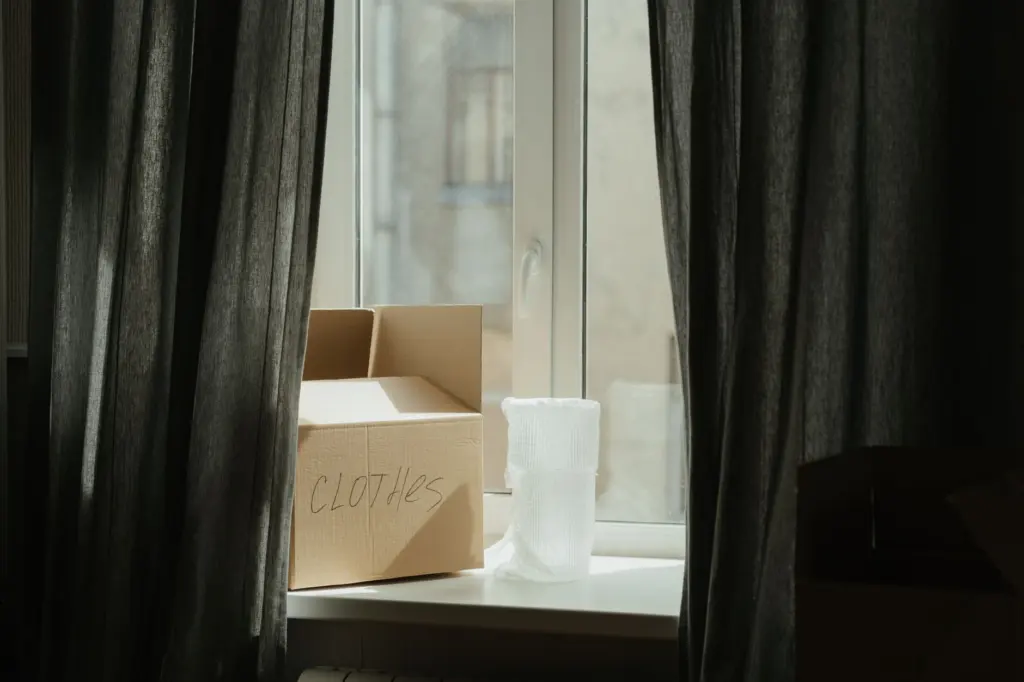
Buy storage after you have unpacked once, not before. A few days of living with your belongings shows whether you need more hanging space, floor space or shelf space. If your entryway is the problem, Coat Closet Organization Ideas: 7 Smart Ways To Maximize Space And Cut Morning Chaos In 2026 – Getoku covers ways to make a small closet work. For a cramped bathroom, Small Bathroom Closet Organization Ideas: 15 Smart, Space-Saving Solutions For 2026 – Getoku is the more relevant read.
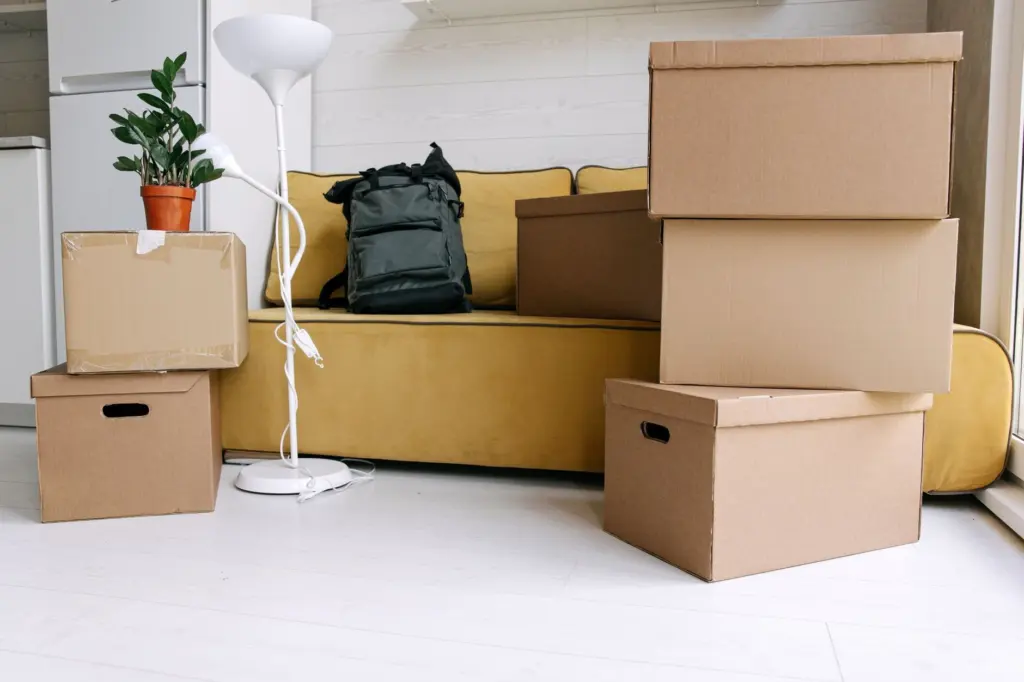
Budget ranges at a glance
Setup costs vary widely, so treat these figures as planning ranges rather than targets. They are most useful for deciding how much of your starting money to hold back for rent and everything else.
| Item | Figure | Planning use |
|---|---|---|
| Basic kitchen setup | $150 to $700 (USD estimate) | The wide range reflects how much you buy beyond the essentials; stay near the low end if you stick to the core cookware list. |
| Bathroom setup | Roughly $50 to $100 (USD estimate) | A modest, predictable cost; buy it all in the first days so the bathroom works from the start. |
| Rent | No more than 25-30% of annual income (commonly cited guideline) | A ceiling for choosing an apartment, not a number to aim for; a lower share leaves more room for setup costs. |
The kitchen and bathroom estimates come from a room-by-room moving checklist, and the rent guideline from a renter’s essentials guide.
The practical takeaway is to set your rent first and your setup budget second. A rent near the top of the guideline leaves less for furnishing, which is a good reason to buy essentials only and furnish gradually.
Furnishing after the first weeks
Larger purchases should wait. The moving checklist recommends buying essentials first and then living in the apartment for a few weeks before making larger purchases. That pause gives you real information: where the light falls, which wall is free, whether the room feels crowded, and which items you reach for daily.
It also protects your budget. A sofa or table bought on day one is often chosen to fill an empty room rather than because it fits. Waiting lets you buy for the space you actually have, and it spreads spending across several weeks instead of one move-in rush.
Frequently asked questions
Is it worth buying a new mattress for a first apartment?
Yes, if you can stretch to it. A property-management checklist advises buying the best quality mattress you can afford, brand new, because it is the item you use every night.
Where should a fire extinguisher go?
A moving checklist suggests keeping a fire extinguisher in the kitchen, under the sink, which is where cooking fires are most likely to start.
Where can I find affordable home furnishings?
Big box and discount home furnishing stores are a good starting point; one guide names HomeGoods, Kirkland’s and TJMaxx as places to find deals.
Do I need to buy everything before I move in?
No. Cover sleep, safety and a simple meal first, and leave the rest until you know the space. Spreading purchases over the first weeks keeps costs down and prevents buying things that do not fit.